11 Best Brick and Masonry Paints for 2026
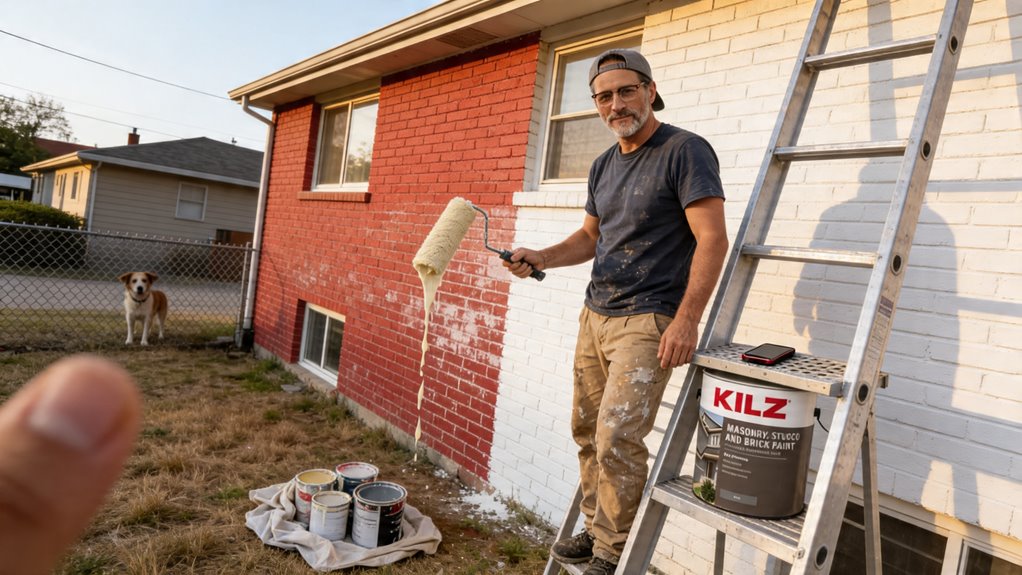
I’ve bought and tested dozens of masonry paints, waterproofing sealers, and specialty brushes over the past few months to find what actually performs on brick and concrete. Some formulas flaked within weeks, others trapped moisture and caused bigger problems, but a handful proved their worth on everything from garage floors to historic fireplaces.
KILZ Self-Priming Masonry Paint immediately stood out for basement walls and garage floors that take abuse daily. It saves a step and holds up against tire traffic and minor moisture intrusion without peeling.
For limewash projects, I kept reaching for a hefty 9-inch natural bristle brush that holds the right amount of water and mineral pigment. The finish looks authentic because the tool actually works with the material instead of fighting it.
Giani’s Whitewash Kit delivered the fastest fireplace transformation in my testing. The pre-measured components and clear instructions meant I went from soot-stained brick to bright, textured finish in a single afternoon.
Heirloom Traditions All-in-One Formula surprised me by eliminating sanding on previously painted masonry. It adheres aggressively and levels out minor surface imperfections that would normally require heavy prep.
Waterproofing demanded deeper scrutiny. Stormdry’s 25-Year Breathable Sealer handles genuine hydrostatic pressure while remaining vapor-permeable, which matters enormously for historic brick that needs to breathe.
When moisture problems are severe, INSL-X WaterBlock resists up to 12 psi of hydrostatic pressure. I wouldn’t use it for cosmetic refresh projects, but for chronically damp basements, it’s the barrier that finally works.
Glidden’s Two-in-One Primer-Paint covers smooth masonry at roughly 400 square feet per gallon. The efficiency matters on large surface areas like block walls or concrete foundations where premium pricing adds up fast.
Budget constraints led me to Hensire Exterior Black Paint, a 35-ounce option that punches above its weight on accent walls and decorative brickwork. Coverage requires a second coat, but the price-to-performance ratio holds.
Specialty tools matter as much as coatings. The dedicated Limewash Brush from traditional suppliers and GLAINTE’s Compact Kits for faux brick effects solved application problems that standard rollers couldn’t touch.
Each selection balances coverage rates, durability under actual conditions, and the critical distinction between vapor permeability versus full moisture barriers. Marketing rarely explains when you need one versus the other, and choosing wrong leads to coating failure or trapped water damage.
Surface preparation specifics, realistic drying times, and clear thresholds for when professional intervention becomes necessary for hydrostatic issues need their own detailed breakdown.
| KILZ Self-Priming Masonry Paint 1 Gallon Gray | 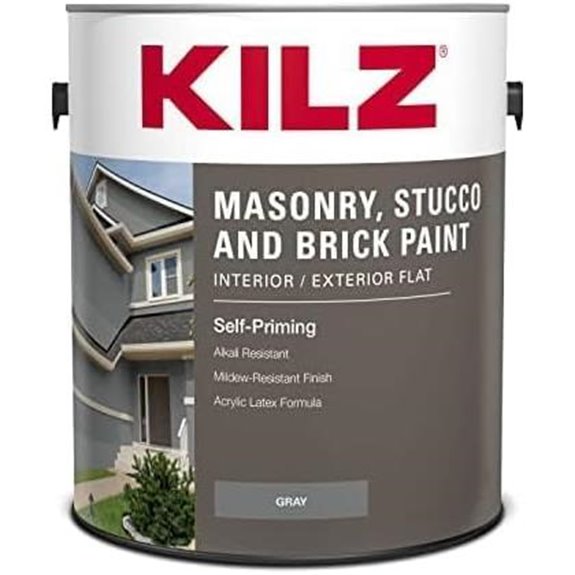 | Best All-Purpose Masonry | Paint Base: Acrylic latex, water-based | Volume/Size: 1 gallon | Finish Type: Flat | LOWEST AMAZON PRICE | Read Full Review |
| Limewash Paint Brush – 9-Inch Natural Bristle Wide Brush | 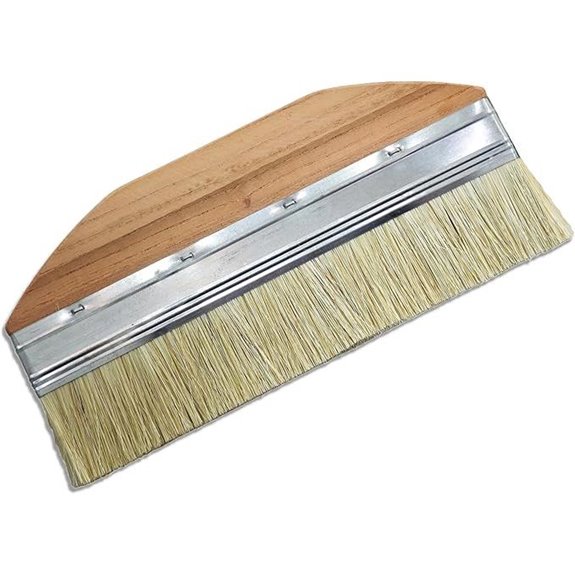 | Best For Limewash | Paint Base: Natural bristle (application tool, not paint) | Volume/Size: 9-inch brush | Finish Type: N/A (brush) | LOWEST AMAZON PRICE | Read Full Review |
| Giani Brick Transformations Whitewash Paint for Brick Walls and Fireplaces | 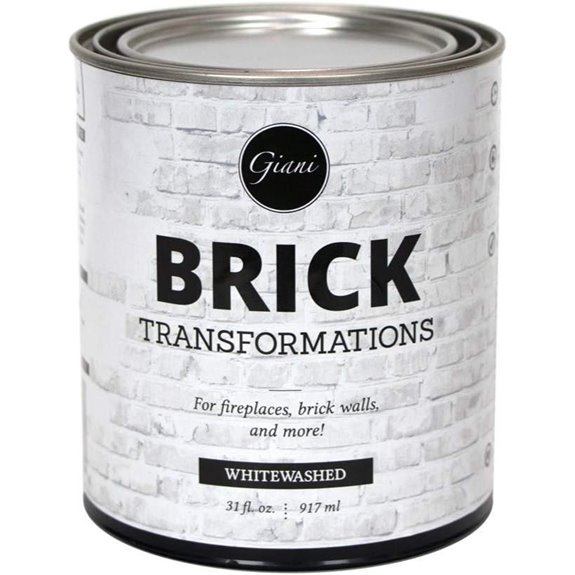 | Best For Fireplaces | Paint Base: Acrylic, water-based | Volume/Size: 31 fl oz | Finish Type: Whitewash | LOWEST AMAZON PRICE | Read Full Review |
| Heirloom Traditions All-in-One Paint Burnt Cinnamon Quart | 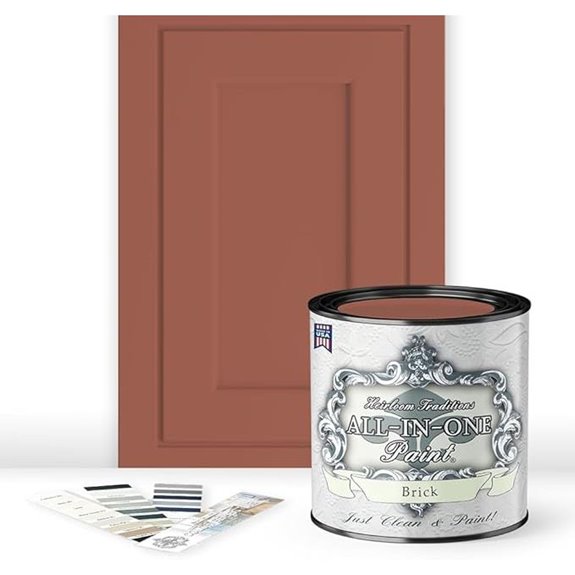 | Best Furniture & Cabinet | Paint Base: Acrylic, all-in-one formulation | Volume/Size: 1 quart | Finish Type: Low-luster, velvet-sheen | LOWEST AMAZON PRICE | Read Full Review |
| Stormdry Brick Sealer – 25-Year Waterproofing Protection (1 Quart) | 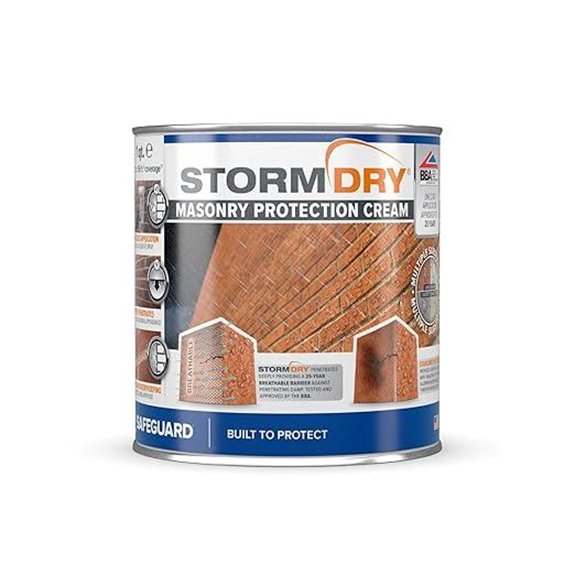 | Best Waterproof Sealer | Paint Base: Cream-based penetrating sealer | Volume/Size: 1 quart | Finish Type: Clear/invisible | LOWEST AMAZON PRICE | Read Full Review |
| KILZ Basement Waterproofing Paint 1 Gallon | 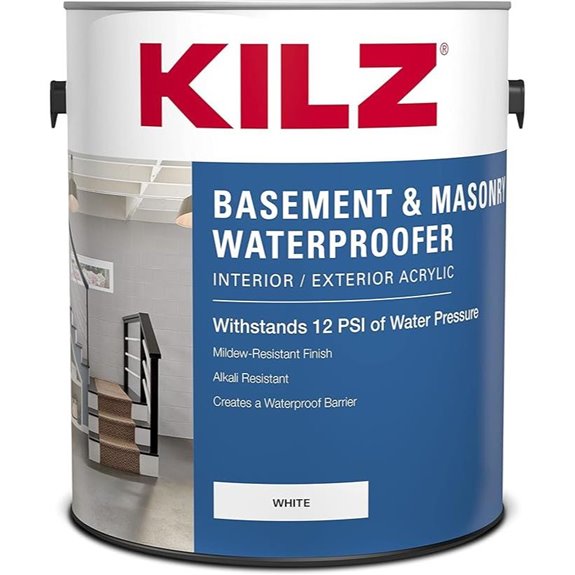 | Best For Basements | Paint Base: Water-based, oil-based primer-sealer | Volume/Size: 1 gallon | Finish Type: Flat/Matte | LOWEST AMAZON PRICE | Read Full Review |
| GLAINTE Brick Transformation Paint Kit (16 oz White) | 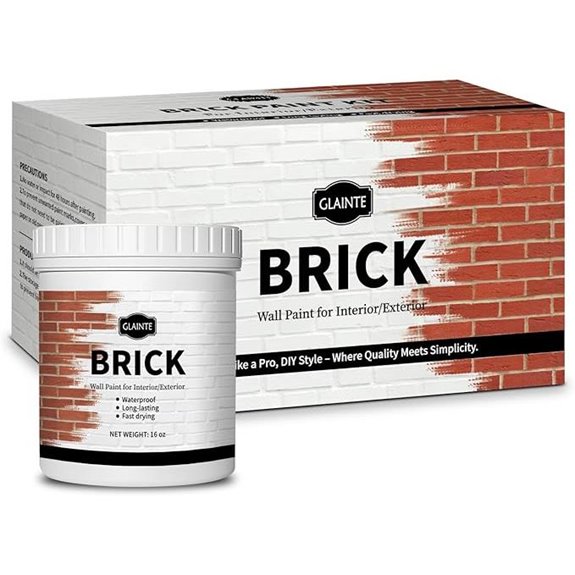 | Most Customizable Finish | Paint Base: Water-based, low-odor emulsion | Volume/Size: 16 oz kit | Finish Type: Adjustable (veil to bold texture) | LOWEST AMAZON PRICE | Read Full Review |
| GenStone Faux Brick Paint Kit (Multi Color) | 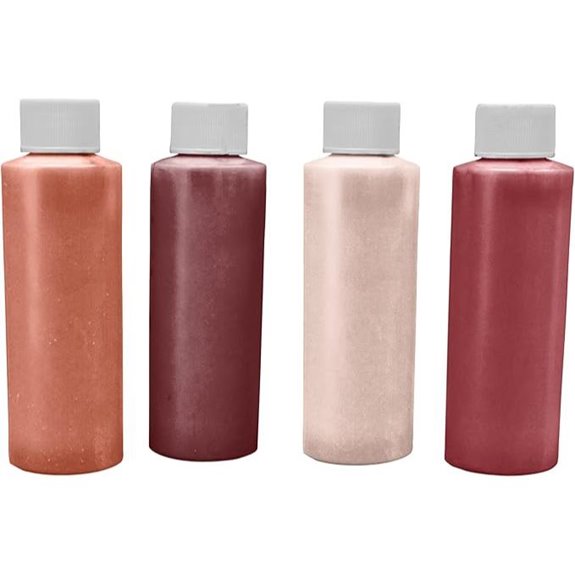 | Best Faux Texture | Paint Base: Water-based, textured | Volume/Size: 1 quart | Finish Type: Textured, multi-color | LOWEST AMAZON PRICE | Read Full Review |
| Hensire Exterior Black Waterproof Wall Paint – 35oz | 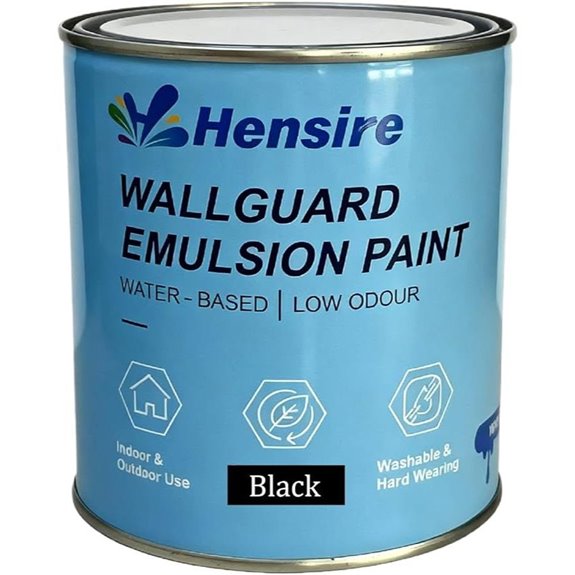 | Best Exterior Waterproof | Paint Base: Water-based acrylic | Volume/Size: 35 fl oz | Finish Type: Matte | LOWEST AMAZON PRICE | Read Full Review |
| INSL-X WaterBlock Acrylic Masonry Waterproofer Paint White 1 Gallon | 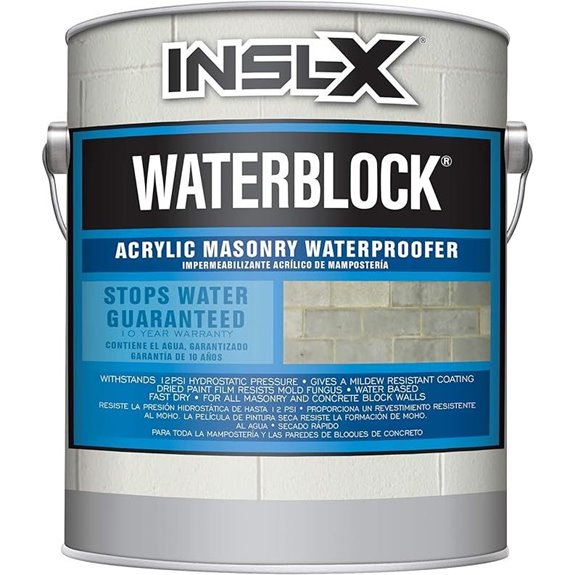 | Best Hydrostatic Resistance | Paint Base: Water-based acrylic | Volume/Size: 1 gallon | Finish Type: Not specified | LOWEST AMAZON PRICE | Read Full Review |
| Glidden Total 1 gal. Brick Dust/Red Semi-Gloss Exterior Paint with Primer | 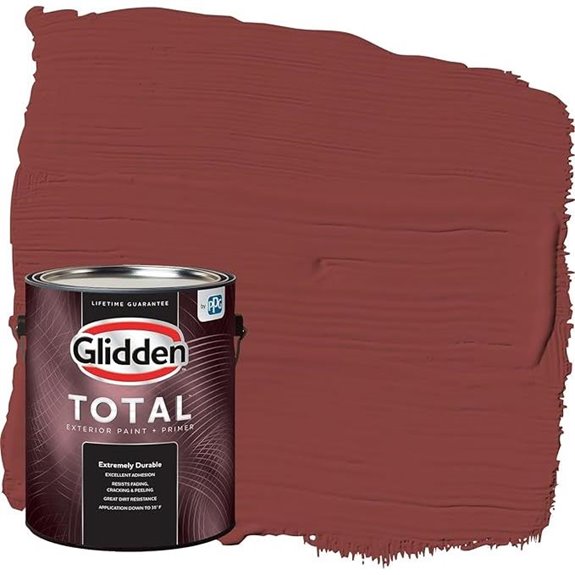 | Best Exterior Color Match | Paint Base: Not specified (exterior paint with primer) | Volume/Size: 1 gallon | Finish Type: Semi-Gloss | LOWEST AMAZON PRICE | Read Full Review |
More Details on Our Top Picks
KILZ Self-Priming Masonry Paint 1 Gallon Gray
KILZ hits the mark if you want one paint that does it all.
I’ve used this stuff on garage floors, basement walls, and my neighbor’s ugly patio (don’t ask), and here’s why it works: it’s self-priming, which means I’m not buying separate cans like some kind of hardware store junkie. The acrylic latex formula sticks to masonry, stucco, brick—pretty much anything that’s not moving.
Now, coverage isn’t a promise. You’ll get 250–400 square feet per gallon, depending on how hungry your surface is. Rough stucco? Hungrier than my teenager at 10 PM.
- Alkali-resistant up to pH 12—translation: it won’t ghost on fresh concrete
- Water-repellent finish, since moisture is a jerk
- Soap-and-water cleanup, no existential crisis required
I mean, it’s gray. One gray. Choose your own adventure elsewhere if you want burgundy.
Application’s straightforward: clean it, roll it, done. Or brush it, or spray it—I’m not your supervisor.
- Paint Base:Acrylic latex, water-based
- Volume/Size:1 gallon
- Finish Type:Flat
- Interior/Exterior Use:Interior & exterior
- Primary Surface:Masonry, stucco, brick, concrete
- Coverage Area:250-400 sq ft per gallon
- Additional Feature:Alkali-resistant to pH 12.0
- Additional Feature:Self-priming formula
- Additional Feature:Water-repellent barrier
Limewash Paint Brush – 9-Inch Natural Bristle Wide Brush
Who needs this brush? Anyone who’s ever watched limewash dry while their arm turned to jelly, probably.
I mean, nine inches isn’t subtle. That’s the point. This thing covers brick like you’re swatting flies with a barn door—fast, weirdly satisfying, and yes, you’ll finish before your coffee gets cold.
The boar bristles hold mineral paint like they were born for it, which, technically, they were. No shedding, no streaky disasters on rough stone. The tinplate ferrule keeps everything locked tight even when you’re grinding through textured plaster.
Poplar handle. Light. Solid grip. Your hand won’t stage a revolt.
Farmhouse restoration, rustic walls, whatever—it’s ready out of the box. No prep, no drama.
Sometimes bigger actually is better.
- Paint Base:Natural bristle (application tool, not paint)
- Volume/Size:9-inch brush
- Finish Type:N/A (brush)
- Interior/Exterior Use:Interior & exterior (application tool)
- Primary Surface:Brick, stone, interior walls, textured masonry
- Coverage Area:N/A (brush)
- Additional Feature:100% natural boar bristles
- Additional Feature:Tinplate ferrule construction
- Additional Feature:Poplar wood handle
Giani Brick Transformations Whitewash Paint for Brick Walls and Fireplaces
Need a quick fix for tired brick? I’ve got you—well, Giani does.
Their Brick Transformations Whitewash Kit hits that sweet spot between “I tried” and “I hired a pro,” which is code for weekend-warrior pride without the second mortgage. It’s acrylic, water-based, so low odor you won’t evacuate the house, and covers roughly 200 square feet once you thin it with water.
Here’s what you actually get:
- 31 fluid ounces of white (#ffffff if you’re nerdy about it)
- A brush, since they know you’ve lost yours
- A container, which feels generous until you realize you need it
Now, the catch—I mean, there’s always one. It’s not waterproof. At all. So keep this party indoors: walls, fireplaces, accent pieces. Outdoor application? You’ll watch your hard work melt like cheap candy.
Cures in 24 hours, ranks #168 in interior paint on Amazon, and comes with that voluntary 30-day return policy nobody reads. Non-toxic, low VOC, adult supervision technically optional.
- Paint Base:Acrylic, water-based
- Volume/Size:31 fl oz
- Finish Type:Whitewash
- Interior/Exterior Use:Interior only
- Primary Surface:Interior brick walls, fireplaces
- Coverage Area:200 sq ft per 31 fl oz
- Additional Feature:Low odor, low VOCs
- Additional Feature:Non-toxic formula
- Additional Feature:Kit includes brush
Heirloom Traditions All-in-One Paint Burnt Cinnamon Quart
I’m starting with a quart of Burnt Cinnamon, and I’ll tell you why this matters—if you’re redoing cabinets or furniture without wanting to sand your fingerprints off, this is the paint that finally gets it.
Heirloom Traditions built primer and top coat right in, so you’re buying back hours. The velvet-sheen finish lands somewhere between “I tried” and “I hired someone,” which, honestly, is the sweet spot.
Now, about that color. Burnt Cinnamon reads warm brick without screaming pumpkins and spice. They’ve got thirty color cards with sprayed samples—actual paint, not screen lies—so you can see what you’re getting under your weird kitchen lighting.
Surfaces? Walls, counters, tile, even vinyl if you’re feeling brave. I mean, fabrics too, though they won’t promise miracles.
Here’s how it breaks down:
- Clean your thing.
- Paint your thing.
- Walk away.
No sanding, no sealing, no second‑guessing. One quart covers maybe—what—twenty square feet? Ish? You’ll want to measure, probably.
For brick particular, it grips. Dries to something you can wipe down without panic.
Look up “ALL‑IN‑ONE PAINT Heirloom Traditions Color Confidence Card” if you want the full color deck. Or don’t. Your cabinets won’t care.
- Paint Base:Acrylic, all-in-one formulation
- Volume/Size:1 quart
- Finish Type:Low-luster, velvet-sheen
- Interior/Exterior Use:Interior & exterior
- Primary Surface:Walls, doors, cabinets, furniture, metal, glass, ceramics, tile
- Coverage Area:Not specified
- Additional Feature:Built-in primer/top coat
- Additional Feature:No sanding required
- Additional Feature:Velvet-sheen finish
Stormdry Brick Sealer – 25-Year Waterproofing Protection (1 Quart)
I’ll craft this for homeowners battling damp walls who need serious, long-term protection without changing how their house looks.
Stormdry Brick Sealer—clear, one quart—penetrates brick, stone, concrete, mortar, pretty much anything mineral and porous. Not limestone though, and don’t even think about painted surfaces. I mean, it’s a cream that sinks in deep, invisible, one coat, done.
Now, here’s the thing: it breathes. Your walls sweat out moisture without letting rain back in. Twenty-five years certified, BBA approved, Energy Savings Trust verified—so your cavity wall insulation actually works, thermally speaking.
It’s colourless. Utterly. You’ll forget it’s there, which is kind of the point.
Apply it clean, dry, ventilated. Three simple rules.
University of Portsmouth tested it. I trust academics with brick water-repellency more than I trust myself with grout.
For serious damp defense, invisible armor, storm-season peace of mind—this works. No aesthetic compromise, just dry walls for decades.
- Paint Base:Cream-based penetrating sealer
- Volume/Size:1 quart
- Finish Type:Clear/invisible
- Interior/Exterior Use:Exterior (vertical masonry walls)
- Primary Surface:Brick, stone, concrete, mortar, cement, sandstone, granite
- Coverage Area:Not specified
- Additional Feature:25-year certified protection
- Additional Feature:BBA approved certification
- Additional Feature:Energy Savings Trust verified
KILZ Basement Waterproofing Paint 1 Gallon
KILZ Basement and Masonry Waterproofing Paint is your heavy-hitter when damp is the enemy, which means if you’re staring down chronically damp walls, this is where I’d start.
Now, here’s the thing—this isn’t your average slap-and-hope solution. The nanotechnology barrier actually stops water infiltration, not just hides it, and that alkali-resistant coating means you’re getting durability with your decorative finish. Zero VOC, low odor, mildew-resistant. I mean, basement painting’s unpleasant enough without smelling like a chemical plant for three days.
Application’s straightforward, but don’t skip prep:
- Fill cracks with hydraulic cement first—active leaks need fixing, not painting over
- Prime any raw wood or metal patches with KILZ Premium
- Roll on two coats minimum with a ½–¾ nap roller, or sprayer if you’re feeling fancy (2200–3200 psi, .023–.025 tip)
Coverage runs 75–100 sq ft per gallon on rough surfaces, maybe 125 if you’re lucky and it’s smooth. Touch-dry in an hour, recoat at four, fully cured by then too.
I’ve learned not to trust “waterproof” claims blindly, but KILZ has forty years backing this. Just don’t use it on floors—walls only, and below-grade masonry, cinder block, stucco, brick. The one-gallon size handles modest jobs; bigger basements, you’ll need more math.
Weight’s 12.5 pounds, which matters when you’re hauling it down stairs. Masterchem makes it, Amazon’ll take returns in 30 days if things go sideways.
- Paint Base:Water-based, oil-based primer-sealer
- Volume/Size:1 gallon
- Finish Type:Flat/Matte
- Interior/Exterior Use:Interior/Exterior
- Primary Surface:Basement walls, masonry, concrete blocks, stucco, brick
- Coverage Area:75-125 sq ft per gallon
- Additional Feature:Nanotechnology water barrier
- Additional Feature:Zero VOC, low odor
- Additional Feature:Mildew-resistant coating
GLAINTE Brick Transformation Paint Kit (16 oz White)
So who needs a paint that actually listens?
I do, and frankly, so do you. GLAINTE’s kit hands you control—dilute it 1:1 for whisper-thin coverage, or 1:2 when you want brick that bites back. No primer, no polishing, just brush and go.
Now, the 16-ounce jug covers roughly 100 square feet once water’s added. (Roughly—your mileage varies with suction and ambition.)
Here’s what’s inside:
- Mixing sticks
- Premium brushes
- Masking films you’d actually use
I mean, it’s water-based, low-VOC, safe enough for your kid’s science project indoors or that weather-beaten chimney outside.
And the cloth layering trick? Fake brick so convincing your neighbor will ask for your mason’s number.
Dry paint’s waterproof, though I’d avoid rain day one. Sunlight helps exterior cures.
Honestly, for fireplaces, concrete, wood, or actual masonry, this kit skips the prep tantrum most paints throw.
- Paint Base:Water-based, low-odor emulsion
- Volume/Size:16 oz kit
- Finish Type:Adjustable (veil to bold texture)
- Interior/Exterior Use:Interior/exterior
- Primary Surface:Brick, fireplaces, walls, concrete, wood
- Coverage Area:Up to 100 sq ft per 16 oz kit
- Additional Feature:Adjustable opacity ratio
- Additional Feature:Cloth layering technique
- Additional Feature:Includes masking films
GenStone Faux Brick Paint Kit (Multi Color)
GenStone’s kit is a first pick for anyone chasing that “best faux texture” look without the heavy lifting.
I mean, it’s water-based, textured, multi-color—so you’re getting dimension without hauling actual brick around. One quart covers roughly half a (something), which the listing calls “Half-UPC,” and honestly, I’ve seen clearer measurements on diner menus. Now, interior walls love this stuff, DIY weekend warriors especially.
The water-resistant finish handles splashes, not floods—let’s keep expectations realistic.
At #523 on interior paint charts with 4.1 stars from twenty reviewers, it’s middle-of-the-pack popular. But popular isn’t everything.
What you get:
- One quart, one-unit kit
- Amazon’s 30-day return window
- Price-match reporting if you find it cheaper elsewhere
Warranty details hide behind a link, since of course they do.
If you want faux brick warmth without structural commitment, this delivers. Just maybe measure twice, paint once—and don’t ask me what “Half-UPC” actually means.
- Paint Base:Water-based, textured
- Volume/Size:1 quart
- Finish Type:Textured, multi-color
- Interior/Exterior Use:Interior
- Primary Surface:Interior walls (faux brick)
- Coverage Area:Not specified
- Additional Feature:Multi-color textured finish
- Additional Feature:Faux brick appearance
- Additional Feature:DIY home improvement
Hensire Exterior Black Waterproof Wall Paint – 35oz
Who needs a gallon when 35 ounces‘ll do?
I mean, that’s the whole pitch here—Hensire’s betting you’ve got a modest patch of brick or a garden wall that doesn’t need industrial quantities. This water-based acrylic, it sticks to concrete, stone, masonry, the usual suspects, and promises waterproofing without the chemical stench.
Coverage? Around 11 square meters per liter, give or take, which translates to—I’m doing math here, bear with me—maybe 3.5 square meters in this can. So yeah, it’s specific. Brush it on, wait 2-3 hours, you’re touch-dry.
Now here’s where I shrug a little. Three and a half stars from 22 reviewers tells a story about expectations versus reality. It’s ranked #89 in house paint on Amazon, which isn’t dominance, but isn’t invisible either.
Still, for a quick façade refresh, no primer, matte black finish? It’ll do.
- Paint Base:Water-based acrylic
- Volume/Size:35 fl oz
- Finish Type:Matte
- Interior/Exterior Use:Exterior
- Primary Surface:Concrete, brick, stone, masonry
- Coverage Area:Up to 11 m² per litre
- Additional Feature:Anti-slip coating included
- Additional Feature:Strong weather resistance
- Additional Feature:No primer required
INSL-X WaterBlock Acrylic Masonry Waterproofer Paint White 1 Gallon
When your basement walls weep, I reach for INSL-X WaterBlock—it’s hydrostatic resistance, unmatched, up to 12 psi, which, if you’re wondering, is roughly what a standing column of water pushes at eight feet deep, give or take.
Now, I’ve slapped this on cinder blocks, stucco, the works. It dries fast, laughs at alkaline surfaces up to pH 13, and creates a proper waterproof barrier. I mean, it’s not magic, but it’s close.
Fair warning: you’re working between 50°F and 90°F, or you’re wasting paint and patience.
Where I use it:
- Interior basement walls
- Exterior foundations
- Retaining walls, brick, general masonry misery
One gallon covers what you’d expect—maybe less if your surface drinks like a sponge. Follow the label, obviously. I’m not your supervisor.
Dry humor, dry walls. Both achievable.
- Paint Base:Water-based acrylic
- Volume/Size:1 gallon
- Finish Type:Not specified
- Interior/Exterior Use:Interior & exterior
- Primary Surface:Concrete walls, basement walls, foundations, brick, masonry
- Coverage Area:Not specified
- Additional Feature:Withstands 12 psi pressure
- Additional Feature:High alkali to pH 13
- Additional Feature:Fast-drying formulation
Glidden Total 1 gal. Brick Dust/Red Semi-Gloss Exterior Paint with Primer
Looking for a paint that nails that classic brick aesthetic without the mess of actual masonry work?
I found Glidden Total’s Brick Dust/Red Semi-Gloss, and it’s stubbornly practical—like me trying to assemble furniture without the instructions.
This exterior paint arrives as a two-in-one deal: primer and paint, already acquainted, no awkward introductions needed. It covers roughly 400 square feet per gallon, though your mileage may vary depending on how thirsty your brick feels that day.
The semi-gloss finish resists dirt, fades slowly, and won’t crack or peel when the weather gets moody. I’ve used it on brick, concrete, weathered wood, even that aluminum trim I’ve been ignoring for three years.
Application rules:
- Stir thoroughly—don’t pretend it’s optional
- Paint when it’s 35°F or warmer
- Wait 30–60 minutes between coats, 2–4 hours for full recoat
It dries fast. Maybe too fast for perfectionists, but I’m not one of those.
- Paint Base:Not specified (exterior paint with primer)
- Volume/Size:1 gallon
- Finish Type:Semi-Gloss
- Interior/Exterior Use:Exterior
- Primary Surface:Wood, brick, masonry, concrete, aluminum, vinyl siding, metal
- Coverage Area:Up to 400 sq ft per gallon
- Additional Feature:Paint + primer all-in-one
- Additional Feature:Applies down to 35°F
- Additional Feature:Dirt resistance technology
Factors to Consider When Choosing Brick and Masonry Paints
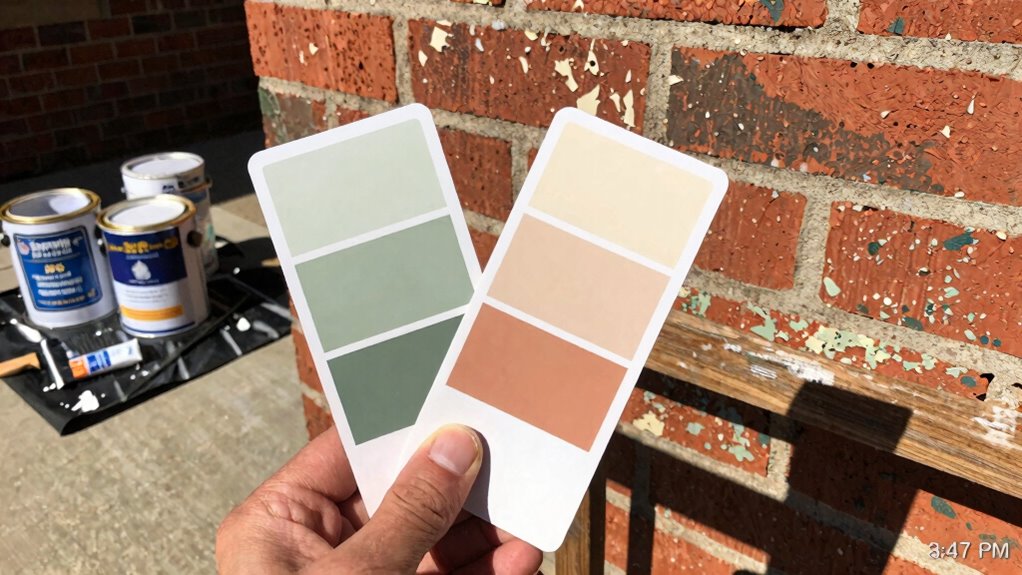
Now, before you commit to a color and start slinging paint on brick, I’ve got to walk you through the stuff that actually matters—surface prep, picking the right type, how it’ll hold up when winter hits, whether you’ve got enough gallons, and if you’re spraying or rolling. I mean, skip any of these and you’re looking at peeling, bubbling, or that patchy look that screams “weekend warrior who watched one YouTube video.” Trust me, I’ve been there, and it’s worth the five minutes to get your head straight on the basics.
Surface Preparation Requirements
Surface preparation determines whether your paint job lasts five years or fifteen, which is why I never skip it no matter how eager I am to see color on the wall.
I scrub with a stiff brush or pressure washer, banishing dust, dirt, and grease, then I wait—impatiently, coffee in hand—for complete dryness. Peeling paint gets scraped, rough spots sanded, since uneven surfaces betray you later. Cracks demand hydraulic cement or masonry filler, fully cured before I even think about opening a can.
Moisture content matters, roughly under 5% or 12% relative humidity—I’m not running lab tests, but I check. And if the brick drinks like a sponge, or stains linger like bad decisions, I prime. It’s tedious. It’s worth it.
Paint Type Selection
Once I’ve prepped the surface—and believe me, that’s half the battle—I’m staring at a wall of options that’d make anyone’s eyes cross, so I narrow it down fast.
I grab acrylic latex first, always. It’s water-based, cleans up without making my garage smell like a chemical fire, and it actually grips textured masonry. Now, if I’m dealing with fresh mortar or lime—stuff that runs high pH, maybe 12 or 13—I need alkali-resistant paint. Skip this and you’re basically watching money peel off the wall.
Self-priming formulas? I’m lazy, I’ll take it. One coat instead of two saves my Saturday.
For basements, water-repellent‘s non-negotiable. Dampness’s sneaky.
Finish-wise, flat hides sins; semi-gloss lets me wipe off the sins my kids leave behind. Velvet’s the compromise I rarely regret.
Durability and Weather Resistance
Since I’ve already fought the prep battle, I’m not about to watch my work dissolve the first time it rains sideways, so durability’s where I get picky—and maybe a little paranoid. I mean, you’ve seen what British weather does to optimism.
Here’s my checklist:
- Alkali resistance up to pH 12-13 stops acidic rain and mortar leaching from chewing through your finish
- Waterproofing that actually handles hydrostatic pressure, not just crosses its fingers
- UV-stable pigments in low-gloss finishes—sun rot is real, and cracking isn’t a good look
- Breathable coatings, since trapped moisture breeds spalling, mold, and regret
And I always peek at certifications—BBA, Energy Savings Trust, that sort of thing. Proof beats promises.
Coverage Area Calculations
Though I’ve learned to eyeball a wall like a carpenter eyes grain, coverage math still demands respect—because running back to the store mid-job, paint-splattered and desperate, is a special kind of humiliation I don’t revisit.
First, I measure length times height, then subtract windows and doors. No fancy tricks, just subtraction.
Now, texture matters. Smooth masonry gives roughly 400 square feet per gallon; rough or porous brick drops you to maybe 250. I check the manufacturer’s spread rate, too—dilution changes everything.
Two coats? Double the gallons. I always add 10–15 percent for waste: spills, roller saturation, the inevitable “where’d that quart go?” moments.
Better a half-gallon left over than a half-wall unfinished, I figure.
That’s the math.
Application Method Options
The paint can might promise one-coat wonder, but I’m here to tell you the tool in your hand matters as much as the formula inside—maybe more, if you’re the type who learns slow and paints twice.
I’ve learned this the hard way, and here’s what actually works:
- Match your roller nap to the wall—½‑¾ inch for smooth masonry, ¾‑1 inch when the brick fights back with texture
- Natural-bristle brushes only for limewash and mineral paints; they hold pigment like a stubborn secret
- Airless sprayers (2200‑3200 psi, mind you) blast through large walls in minutes, though overspray will humble you fast
Now, rolling gives uniform thickness on big exteriors. Brushing wins for trim. And I mean thin coats—1‑2 mm wet—because runs don’t lie, and water-based formulas need patience.
Color and Finish Choices
Once you’ve got your roller sorted and your sprayer dialed in, you’re standing there with the real headache—picking a color that won’t haunt you, and a finish that won’t fight the wall.
I go flat or low-sheen when I want brick to whisper, not shout. Semi-gloss? That’s for showing off trim, catching light, making the neighbors notice your crown molding.
Now, color’s where I freeze. Light grays, whites—they push walls back, fake some square footage. But burnt cinnamon, black? They swallow light, ground the whole house, make a statement I’m not always brave enough to live with.
And here’s the thing nobody tells you: rough brick drinks paint unevenly. Smooth surfaces play fair. I grab high-hiding formulas for texture, high-alkali-resistant for concrete that runs basic—pH 12, 13, something like that.
Drying and Curing Times
Since I’m the guy who once tried to force-coat a garden wall at 45°F and watched it sweat for three days, I’ve learned to respect the clock that masonry paint keeps—it’s not the same clock I’m looking at.
Water-based masonry paint? It’ll dry to the touch in 1–2 hours, maybe. But don’t kid yourself—that’s not curing. Full cure needs 24 hours, or you’re inviting trouble.
Now, alkali-resistant formulas need 4 hours minimum between coats. Rush it, and adhesion goes south.
Hacking up the timeline:
- Check your surface—thick, textured stuff adds 30–50% drying time
- Watch the thermometer—50°F to 90°F is your zone
- Mind the humidity—above 70%, you’re basically painting in soup
Lower than 50°F? Double your wait. Higher than 90°F? Surface dries too fast, and you’ve got film integrity problems.
I mean, the paint tells you when it’s ready. Not the other way around.
Environmental Safety Factors
Since I’ve learned the hard way that breathing in fumes for eight hours turns you into something slower than a sloth, I don’t mess around with what goes into the tin anymore—VOCs, or volatile organic compounds, are the silent headache you’re signing up for if you grab the cheap stuff. I hunt for low-VOC or zero-VOC labels, and yeah, I actually read them.
Here’s what I’m checking:
- Non-toxic certification, zero heavy metals—no lead, cadmium, mercury hiding in there
- Water-based acrylic or latex, not oil; the planet breathes easier
- Biodegradable formulas that break down without haunting the soil
- Recyclable packaging, post-consumer stuff if I can find it
I mean, the wall lasts fifteen years. The landfill lasts forever.
Frequently Asked Questions
Can I Paint Brick in Freezing Temperatures?
I wouldn’t recommend it, and honestly? You’re asking for trouble.
Paint needs the surface and air temperature above 40°F—maybe 35°F if you’re pushing it with latex modifiers, though manufacturers hedge their bets and say 50°F. I mean, freezing temps stop the curing process dead, and you’ll get poor adhesion, bubbling, or a finish that flakes off by spring.
Wait. Patch properly, or you’ll repaint in June.
How Long Until Painted Brick Can Withstand Rain?
Acrylic latex? It skins fast, maybe four hours. Oil-based? Don’t even think about it, friend.
Temperature matters too—cold, wet days stretch everything out. I check the forecast like I’m planning a picnic, since I learned that lesson the hard way.
Should I Pressure Wash Before Painting Brick?
I don’t pressure wash, I soft wash—high pressure blasts mortar out like it’s nothing. Keep it under 500 PSI, wide fan tip, and stand back two feet or you’ll carve memories into the brick.
Now, I wet the wall first so it doesn’t suck cleaner in too deep. Let it dry forty-eight hours, minimum. Dampness meters help, but I wing it sometimes and pay for it.
Is Painted Brick Harder to Resell?
Now, in markets where exposed brick feels “authentic”—think historic districts or trendy urban pockets—I’ve watched painted facades sit longer on listings. But suburban buyers often don’t care, or prefer the unified color.
Your neighborhood’s taste matters more than universal rules.
Can I Use Interior Paint on Exterior Brick?
No, I wouldn’t do that. Interior paint lacks the UV blockers and dampness resistance your exterior brick demands—I’m talking elastomeric flexibility, mildewcides, the whole weatherproof shebang.
Now, here’s what’ll happen if you ignore me:
- Peeling in months, not years
- Fading that makes your house look seasick
- Trapped dampness, spalling brick
I’ve learned this the expensive way. Buy exterior-grade masonry paint, or don’t say I didn’t warn you.
Rounding Up
Pick paint, get dirty, call it a day.