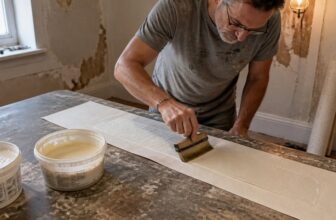
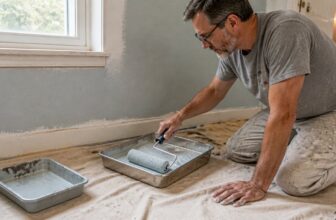
What Are Painters Plastic Films? Types, Uses and How to Choose

Paint splatter on floors, trim, or furniture can turn a quick repaint into cleanup. What are painters plastic films, and how do you choose the right one for your next repaint?
They are thin polyethylene rolls, measured in mils, that shield surfaces while primer and finish coats dry. This guide covers types, uses, and simple thickness picks for masking, floors, and foot traffic.
We also compare LDPE and HDPE so you can avoid residue during surface prep. Read on to match the film to your mess and keep your next paint job clean.
Quick Answer
- Painter’s plastic films are thin polyethylene sheets measured in mils, shielding surfaces from paint splatter.
- Types include LDPE for interior cling, HDPE for outdoor durability, plus pre-taped and anti-static variants.
- Choose thickness by task: 0.31–0.5 mil for dust, 1.5–6 mil for floors and heavy foot traffic.
- Use for floors, windows, furniture, and prep work; tape edges for clean lines and residue-free removal.
- Thicker films cost more but resist punctures; test adhesion on surfaces to prevent bleed or lift.
What Is Painter’s Plastic Film?
Painter’s plastic film is a thin polyethylene sheet sold in rolls and measured in mils, with one mil equal to a thousandth of an inch. It shields walls, trim, cabinets, and floors from paint splatter, primer mist, stain, varnish, and polyurethane overspray.
The film’s useful feature is surface adhesion: higher density grades cling to walls and trim without full taping. You still need painter’s tape at edges and corners, and a drop cloth belongs under the work area.
Use the film as a masking layer when you spray a topcoat or roll a wall near finished wood. It does not change sheen, gloss, satin, or matte results, and it does not replace surface prep.
Before you lay out plastic, sand with the right sanding grit and remove dust so the film does not trap grit against a finish. Keep painter’s tape tight at the edge to control lap marks and brush strokes on nearby trim.
Low VOC paints and stains still need masking, so use this film to catch overspray and dust. It will not protect a finish from impacts or sharp tools.
When you work with a wet edge, cover nearby surfaces before the coating starts to set. Check the product’s drying time and cure time before you remove the plastic, because early removal can pull fresh finish.
For storage, keep rolls dry, away from heat, and upright. A crushed roll is hard to unroll and wastes time on the job.
For light masking jobs, a roll of about three tenths of a mil is cheap and easy to handle, and a roll of 400 feet often costs around $15. It tears cleanly and works well for quick protection, but it will not stand up to rough handling. For professional-grade work, static cling helps the film adhere to smooth surfaces before taping, reducing the need for full-edge securing.
Thickness Showdown: 0.31 Mil vs. 6 Mil
The 0.31 mil plastic is very thin, and the 6 mil plastic is much thicker and tougher. Both are plastic sheeting, but they suit different jobs.
For quick paint overspray protection, 0.31 mil unfolds easily and clings to a wall or floor without much fuss. It measures about 0.00031 inches, so it adds almost no bulk, but it also tears easily when a brush handle or ladder foot pokes it. For heavier tasks like covering sharp debris during demolition, a 6 mil polyethylene sheet provides a far more resilient barrier.
| Thickness | Best use | Cost per roll | Tear risk | Plastic durability |
|---|---|---|---|---|
| 0.31 mil | Dust protection for short jobs | About $15 | High | Low |
| 6 mil | Floor protection and vapor barrier | About $60 | Very low | High |
The 6 mil sheet is the durable choice for floor protection. It handles foot traffic, paint drips, and dragging a ladder without tearing, and I treat it like a heavy drop cloth when I cover a basement floor.
The 6 mil sheet is the durable choice for floor protection, handling foot traffic and paint drips without tearing.
For wood finishing, use the thin sheet as a dust cover while stain, varnish, or polyurethane dries, and sand with 120 grit between coats when the finish needs it. It will not stop a dropped tool, so keep a drop cloth under the work and use painter’s tape at edges.
If you are spraying a satin, gloss, or matte topcoat over primer, check the VOC label and use the 0.31 mil to keep dust off during drying time. Do not expect it to protect a floor during cure time, and keep it clear of wet edge areas where lap marks or brush strokes can trap debris.
Use 0.31 mil for light dust and overspray, and reach for 6 mil when you need a floor or vapor barrier that can take abuse. Match the plastic thickness to the mess and the traffic.
HDPE vs. LDPE: Which Painters Plastic Material Is Right?
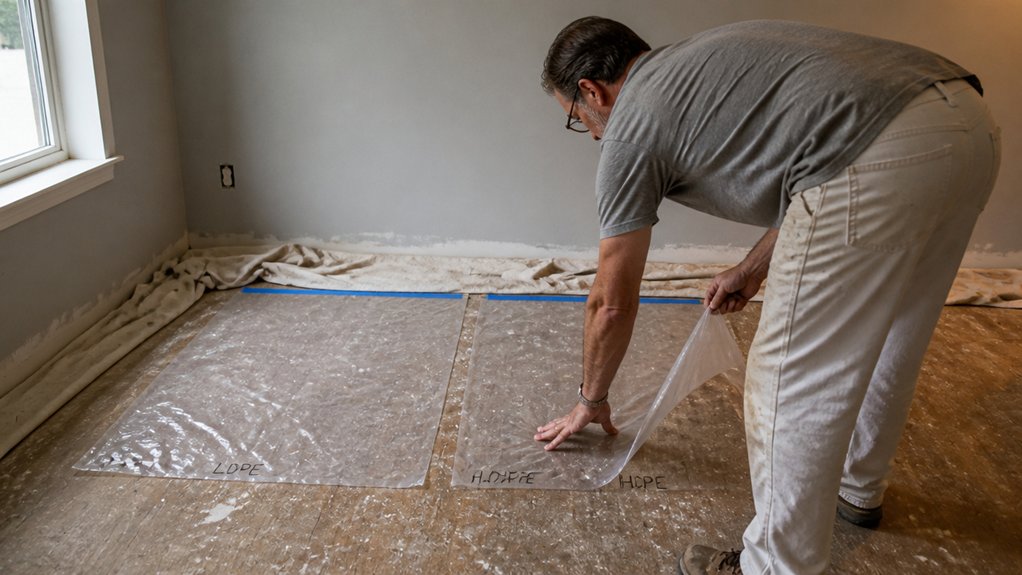
For most interior paint jobs, I use LDPE plastic sheeting. It is softer, drapes over furniture, and clings to trim with less painter’s tape.
HDPE is stiffer and tougher, but it fights you on a fast cover. I save it for rough outdoor work or sharp edges where the plastic needs extra protection.
LDPE stores longer on the shelf, while HDPE gets brittle over time. When I peel tape off LDPE, it usually comes away clean, while HDPE can leave sticky residue on trim and floors.
LDPE also grabs a surface with natural static cling, so I use less tape along baseboards and door frames. Both materials come clear, and LDPE gives you more tint choices for masking or light filtering.
HDPE holds up better in sunlight, while LDPE fades fast outdoors. For interior walls and cabinets, I still reach for LDPE because it lays flat and stays put around primer and topcoat work.
When you cover a room for primer and topcoat, plastic can slow drying time by trapping moisture. Leave a little air gap and keep the plastic off the wet edge so you do not pull lap marks into the finish.
For cabinet work, use a canvas drop cloth under the plastic to catch sanding dust from 120 grit or 150 grit paper. That layer also protects stain, varnish, or polyurethane from grit that gets trapped in the plastic. If you are covering large areas like a whole room, a 9 × 12 ft cotton-blend drop cloth absorbs drips well but is not waterproof, so pair it with plastic for wet spills.
If you spray a topcoat with high VOC, check that the plastic stays put as the finish sets. Drying time and cure time both matter, so do not drag the plastic across a fresh satin, gloss, or matte sheen.
For interior paint work, I use LDPE because it is flexible and forgiving, and it will not fight your painter’s tape. HDPE is more than you need for most indoor masking, so grab LDPE and keep the job simple.
Choosing Painters Plastic for Floors, Windows, and Furniture
LDPE plastic works well for floors, windows, and furniture because it drapes and clings to surfaces. You are protecting a surface from primer, stain, varnish, and polyurethane, so flexibility matters more than brute strength.
For furniture, use 2 mil LDPE plastic. It is cheap, has enough tear strength for normal shop use, and you can cover a sofa for about $3.
For carpet, skip 0.31 mil HDPE plastic because it is too crinkly and will not hug corners. If you expect heavy sanding grit or a lot of foot traffic, put a drop cloth over the plastic.
Windows need a different approach, so use a 2 mil adhesive film in blue or clear. That film can stay up for up to 45 days and saves you from taping flimsy sheets every weekend with painter’s tape.
For windows, skip the tape-and-sheet shuffle; 2 mil adhesive film holds for up to 45 days.
Floors need more protection, so use a 3 mil adhesive film. It handles normal foot traffic for a month and will not harm linoleum or tile when you remove it.
Tape the edges with painter’s tape when you need a clean line around trim or a doorway. Check the label for drying time and cure time before you leave any film down for a long job.
The plastic protects the surface from primer, topcoat, stain, varnish, and polyurethane no matter which sheen you choose: gloss, satin, or matte. Measure twice, press the film flat, and you will spend less time fighting loose plastic.
Use low VOC products when you can, and keep the room ventilated while the finish dries. A clean drop cloth and a roll of painter’s tape are the two supplies I reach for first on most jobs. For leftover paint, airtight seal designs like triple-lock buckets or squeeze pouches reliably prevent drying and keep your stored material ready for touch-ups.
7 Surprising Uses for Painter’s Plastic
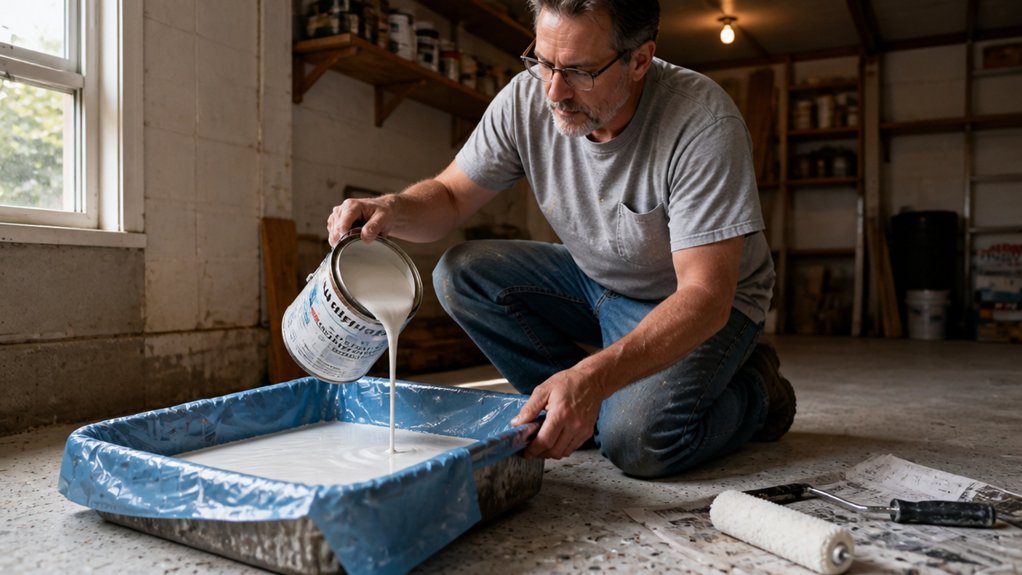
Painter’s plastic has plenty of jobs beyond keeping paint off the floor. I keep a roll with my drop cloths because it handles several quick fixes around paint and finish work.
Tape a sheet over seed trays with painter’s tape, and the trapped humidity wakes stubborn seedlings. The plastic costs pennies and gives you a cheap boost for starting plants.
For damp crawlspace dirt, I lay plastic over the soil to block moisture from rising into the joists. That barrier keeps mold spores from getting the damp air they need.
On cold nights, I cut plastic to fit each window and tape it in place with painter’s tape. Leave a small vent at the bottom so moisture does not collect on the glass.
During shed season, I wrap a couch in plastic before I brush the dog. When the hair is loose, I peel the film and toss it.
I line a paint tray with plastic to keep the wet edge alive between coats. I also cover a piece after primer between sanding passes, and I choose a finish with low VOC for shop work. For larger jobs, clear polyethylene sheets block water, paint, and dust while keeping covered items visible, as detailed in bulk drop cloth options.
For finish work, I mask trim with painter’s tape, set plastic under a stained piece, and use varnish or polyurethane for the topcoat. I check the sheen, whether matte, satin, or gloss, after the drying time and before full cure time, and then I sand with the right grit so lap marks and brush strokes do not show.
How Much Does a Roll of Plastic Sheeting Weigh?
You can estimate the weight of a roll of plastic sheeting without a scale. Use this formula: width in inches times length in feet times gauge in mils, then divide by 2500 to get pounds.
A 20 ft by 100 ft roll of 4 mil film weighs about 38.4 lb, and that roll can feel heavy when you carry it up a ladder. Thicker film and denser material such as HDPE add weight, so check the product specs before you buy. Recycled LDPE plastic is a lighter alternative that still offers waterproof floor protection.
Treat the plastic as a drop cloth and tape its edges with painter’s tape so it stays put while you sand or apply primer. Keep the film away from fresh stain or topcoat until the drying time has passed, and avoid dragging it across a wet edge or you will leave lap marks.
Weight Calculation Formula
A roll of plastic sheeting takes one simple calculation to get its weight. Multiply the width in feet by the length in feet, then multiply that by the gauge in mils, and divide by 2,500.
That gives you pounds per roll. I use it before I order so I know what to expect at the loading dock.
I have done this work myself as a painter and wood finisher, so I plan handling from the roll weight. If a roll weighs more than 40 pounds, I line up a second pair of hands or use a dolly.
I also keep it in mind when I set up a drop cloth and painter’s tape for a room. A heavy roll is easier to move before I apply primer or topcoat, and it saves me from wrestling it up stairs.
Plug in the numbers and do the division. You will know exactly what you are lifting before you pick it up. High-strength PP materials, which hold up to 100 kg, can make rolls feel heavier but also give them greater rigidity for stable transport.
Roll Weight Examples
Use the roll weight formula before you buy masking film, and check a gauge conversion chart if mils are hard to picture. You have a 12 by 400 foot roll of 0.40 mil film, the kind you secure with painter’s tape over a drop cloth while primer or topcoat dries.
Plug in the numbers: 12 x 400 x 0.40 / 2500 = 0.768 pounds per roll. That roll weighs less than a pound, so it is easy to carry up a ladder.
A heavier roll is 20 by 100 feet at 4 mil. The math is 20 x 100 x 4 / 2500 = 32 pounds, and you will feel that weight on your shoulder.
Check a gauge conversion chart before you buy, because mils do not look or feel like sanding grit. Tight-fit airtight seals prevent leaks when hauling gear, though this formula applies to film rolls, not paint tins. A thin film can wrinkle and leave lap marks or brush strokes if you rush the tape line.
Keep the formula with your painter’s tape and drop cloth so it is ready when you price a roll. Use it before you lift a roll, and save your back on the job.
Film Type Variations
Plastic sheeting rolls vary by film type as well as size, and film type changes the roll weight more than most people expect. Compare 4 mil LDPE with HDPE: LDPE feels denser and softer, and it weighs more per square foot, while HDPE gives similar strength with less material.
That is why a 12 by 400 foot roll of 0.31 mil HDPE might weigh 6 pounds, while a 2 mil LDPE roll with similar coverage could reach 15 pounds. Check the mil and plastic type on the spec sheet before you buy, then use that information to predict the real weight.
HDPE resists chemicals and UV better, so it holds up longer outdoors. LDPE tears more easily, but it handles cold snaps well.
Clear film adds no weight, while green or blue tinted films often include additives that raise density a little. Pick a drop cloth that suits the job, and hold it in place with painter’s tape so it does not slide under your feet.
Film weight also affects how the sheet behaves during a finishing job with stain, varnish, or polyurethane. A heavier sheet tends to stay put while you keep a wet edge on a topcoat, which helps you avoid lap marks.
For paint work, match the film to the task, and keep in mind that gloss, satin, or matte sheen, sanding grit, and the difference between drying time and cure time all affect your process. Read the label for VOC content, choose the right film, and set up your drop cloth before you open the primer. For example, a microfiber roller cover with a 1/2-inch nap holds 60% more paint, which means you’ll make fewer trips to adjust the film when working overhead.
Can You Reuse or Recycle Painter’s Plastic?
Yes, you can reuse painter’s plastic, and you can recycle some clean pieces. Most curbside programs reject plastic film, so drop clean LDPE #4 at a store bin.
I reuse sheets as drop cloths and window covers until they tear, which saves cash. Keep primer, stain, varnish, and polyurethane off the film you hope to recycle.
A clean sheet can protect furniture, and a dirty sheet can cover the floor for a messy topcoat. Remove painter’s tape before you drop the film in a store bin.
Film with paint on it belongs in the trash, and a thick vapor barrier may need a local check. Look for the #4 label, then call the store before you haul a load.
Reuse first, recycle clean pieces, and throw out the rest without guilt. When you work, match your sanding grit to the surface and keep a wet edge to reduce lap marks and brush strokes.
Reuse first, recycle clean pieces, and toss the rest. Match your grit, keep a wet edge, cut lap marks.
Choose gloss, satin, or matte sheen for the topcoat, and check the VOC level before you open the can. Leave enough drying time before a recoat and full cure time before hard use. For a truly durable and scratch-free finish, consider how microfiber blends with high polyester content resist lint and abrasion on nearby surfaces.
Frequently Asked Questions
Does Painter’s Plastic Block UV Rays for Outdoor Use?
No, standard painter’s plastic does not block UV rays well enough for outdoor use. It is a temporary masking film, not a UV-resistant barrier, and sunlight will make most basic sheeting brittle fast.
For a small outdoor project, use a dedicated UV-stabilized plastic tarp instead, and tape seams with exterior-grade tape so wind does not peel them loose. Check the label for a UV rating and expected exterior life before you buy.
If you must use painter’s plastic as a drop cloth under a patio cover, keep it out of direct sun and replace it after one weekend. Treat it as short-term protection only, not a long-term weather barrier.
Can I Paint Directly Over Plastic Sheeting After Use?
You cannot paint directly over plastic sheeting after use. It is a slick, flexible film, so paint adhesion fails quickly and the coating will crack or peel.
Remove the sheeting, clean and dry the real substrate, then apply a bonding primer before your topcoat. As a practical test, brush a two inch square of primer onto a scrap piece and wait 24 hours before topcoating.
For a better result, search paint adhesion to plastic and choose a primer made for that surface. Scuff sanding with 220 grit can help on rigid plastics, but used sheeting usually is not worth the risk.
Is Painter’s Plastic Fire-Resistant or Flame-Retardant?
Painter’s plastic is not fire-resistant or flame-retardant, so treat it as a combustible protective cover only. It melts and burns readily, carries no fire rating class, and can drip burning plastic onto nearby surfaces.
Keep it away from heat sources and sparks. As a practical rule, maintain a 3-foot clearance from space heaters, soldering irons, and any hot work, and never use it as a welding screen.
If you need genuine fire protection, choose fire-rated plastic sheeting or a flame-retardant drop cloth instead. Painter’s plastic is for paint protection, not fire safety.
How Long Can Painter’s Plastic Stay on Floors?
Painter’s plastic can stay on floors for up to 30 days before surface adhesion and durability concerns make removal harder. Think of it as a clingy guest: it stays put while the film holds, but the longer it sits, the more likely tape residue and trapped moisture become issues.
For a practical rule today, tape edges with 2 inch painter’s tape and check for lifting at day 7; replace any curled sections right away. If you need a protective floor covering beyond two weeks, lay a second sheet over high traffic paths and swap that top layer every 7 to 10 days.
Does Plastic Sheeting Off-Gas Harmful Chemicals Indoors?
Plastic sheeting can off-gas harmful chemicals indoors at low levels, but short-term painter use is generally not a serious health risk. Most concerns involve plasticizer leaching when the film gets warm, such as near a heater or in direct sun.
At normal room temperatures, the amounts are usually below toxic levels, so I would not worry much for a quick containment job or a minor indoor air quality concern. As a practical precaution, unroll new sheeting outdoors for 24 hours before hanging it, then use ventilation with a cracked window and small fan during the first day.
Rounding Up
Painters plastic films are protective films chosen by thickness and use: cheap 0.31-mil for quick paint splashes, 2-mil or up for floors. Check the film thickness before you buy today and match it to the mess you are making, not the one you hope to avoid.
Write down today whether the job is a quick paint splash or a floor cover, then compare that need to the roll you are considering. Test cheap 0.31-mil film only where you will not walk on it today, and cover the chaos.
Next topic: painter’s tape.