11 Best Mottler Brushes for 2026
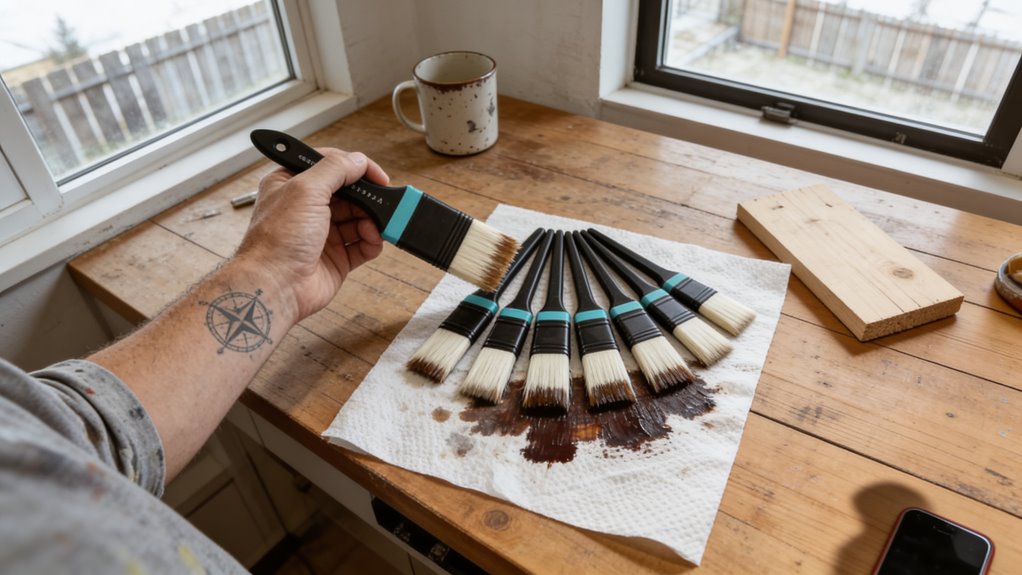
I’ve bought more mottler brushes than I care to admit over the years. Some fell apart after a single session. Others became staples I reach for without thinking. Here are the ones that actually earned their spot in my studio.
The Princeton Aspen 2-inch handles heavy gesso like it was made for it. I’ve loaded it with thick primer and dragged it across raw canvas without a single bristle shedding. It rebounds just as gracefully for delicate washes, which surprised me given how stiff it feels in the hand.
Princeton’s Neptune 1.5-inch plays in a different register entirely. The synthetic squirrel hair holds surprising water for its size, and I’ve used it for soft sky gradients that would fuzz out with lesser brushes. It never dumped pigment unexpectedly, which matters when you’re working wet-into-wet.
Creative Mark’s Bonn set punches above its price point in ways I didn’t expect. I bought these as backups and ended up keeping them in rotation for students who borrow my gear. They clean up better than budget brushes have any right to.
The Mimik Badger 2-inch fooled me initially—I assumed synthetic badger would feel cheap. Instead it mimics the snap and water retention I associate with natural hair at a fraction of the cost. Professional work, student budget.
Creative Mark Berlin saved my wrist during a three-day mural project last spring. That long handle lets you work at arm’s length without hunching, and the balance point sits exactly where you want it. My back thanked me.
Da Vinci’s Size 30 goat-hair mop holds genuinely impressive water volume. I’ve laid down 18-inch washes without reloading, and the belly releases pigment predictably rather than dumping it. Goat hair this well sorted is harder to find than it should be.
Escoda’s hog bristle mottler brings old-school spring to oils in a way synthetics still haven’t matched. I’ve pushed thick impasto with it and felt the bristles fight back just enough to maintain control. There’s a reason traditionalists keep these in production.
Here’s what matters when you actually buy: bristle retention under load, handle balance for your working distance, and whether the ferrule construction survives solvent cleaning. Everything else is marketing.
Princeton Pro Mottler Brush 3 inch (1-Count)
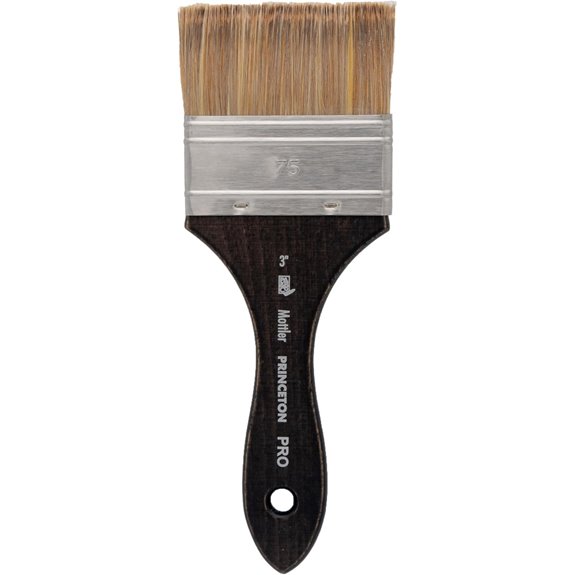
I’m a firm believer you can’t fake good load capacity, and this three-inch Princeton Pro Mottler carries paint like a pickup truck hauls gravel—more than you’d expect, frankly, without the bristles splaying out like tired spaghetti after three sessions.
Now, the handle’s dark wood, long enough to keep your knuckles out of the wet stuff, and those synthetic fibers? Medium-firm, which sounds like marketing until you realize it means you can push oil without losing your edge or baby acrylic for soft blends. I mean, it’ll do ink too, if you’re feeling frisky.
- Snap returns after washing
- No bristle rebellion by session four
- Princeton’s been at this 25+ years—cheap without being, you know, cheap
The weight’s apparently 28-ish pounds? That has to be a typo. There’s no way.
Anyway, cleanup’s painless, and the thing holds shape through abuse. For the ranking-obsessed: somewhere south of a millionth in Arts & Crafts, which means nothing, frankly. Brush performs. That’s the metric I care about.
| Princeton Aspen Synthetic Flat Mottler Brush 2 Inch | 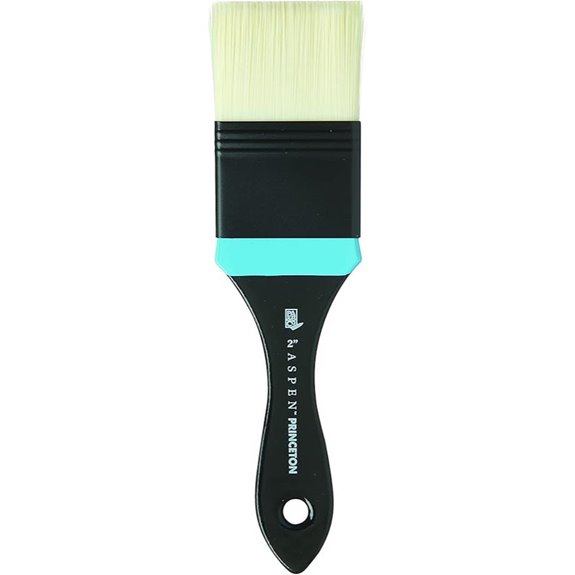 | Best for Acrylics & Oils | Bristle Type: Synthetic | Brush Size: 2 inch | Handle Material: Reforested wood | LOWEST AMAZON PRICE | Read Full Review |
| Creative Mark Bonn Bristle Blend Mottler Brush Set (3-Piece) | 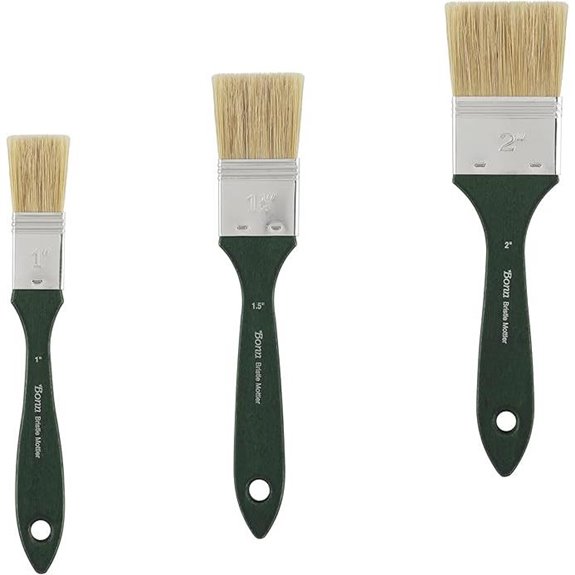 | Best Value Set | Bristle Type: Natural-synthetic blend | Brush Size: 1″, 1.5″, 2″ set | Handle Material: Hardwood | LOWEST AMAZON PRICE | Read Full Review |
| Creative Mark Mimik Synthetic Badger Mottler Brush (2″) | 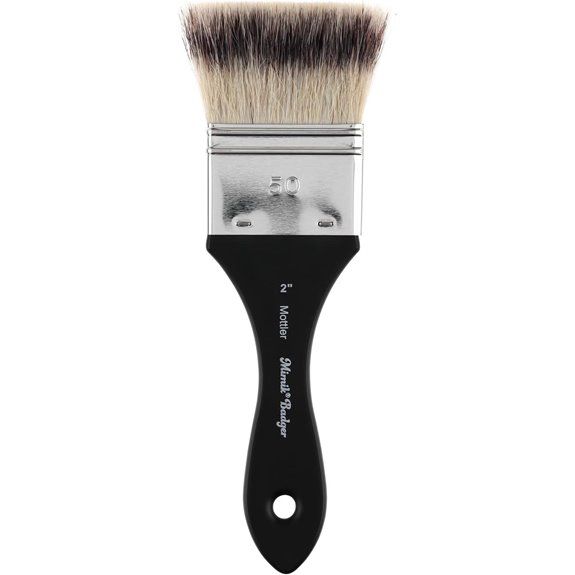 | Best for Faux Finishing | Bristle Type: Synthetic badger | Brush Size: 2 inch | Handle Material: FSC-certified beech wood | LOWEST AMAZON PRICE | Read Full Review |
| Creative Mark Berlin Synthetic Artist Brush – Mottler 2 in | 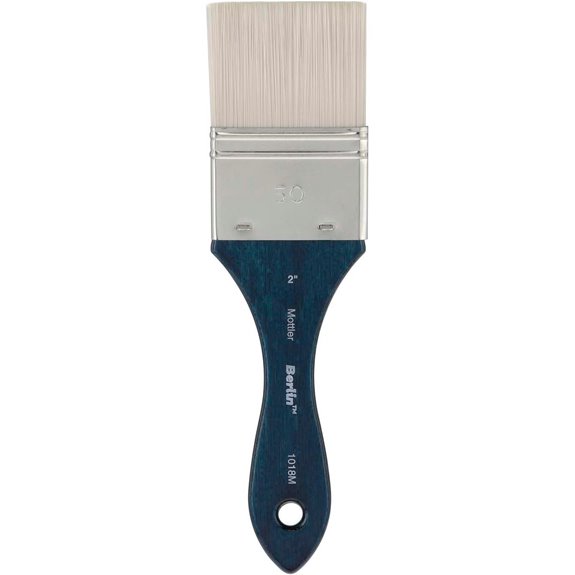 | Best Ergonomic Design | Bristle Type: Synthetic | Brush Size: 2 inch | Handle Material: Sustainable wood | LOWEST AMAZON PRICE | Read Full Review |
| Princeton Aqua Elite 1.5″ Mottler Watercolor Brush | 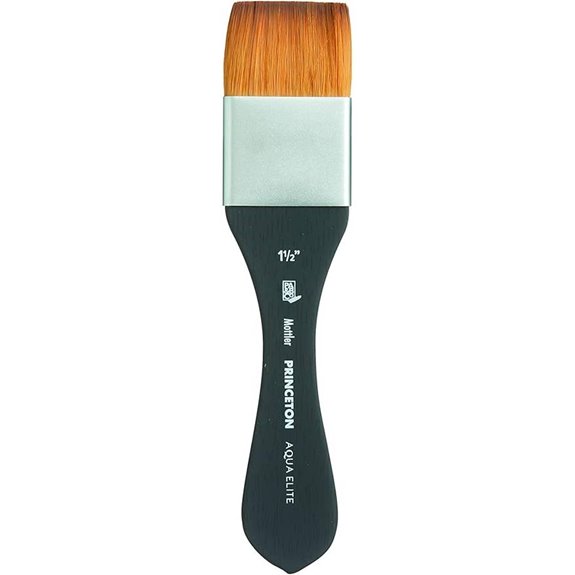 | Best for Watercolor | Bristle Type: Synthetic Kolinsky | Brush Size: 1.5 inch | Handle Material: Not specified | LOWEST AMAZON PRICE | Read Full Review |
| da Vinci 5025 Impasto Mottler Paint Brush (Size 40) | 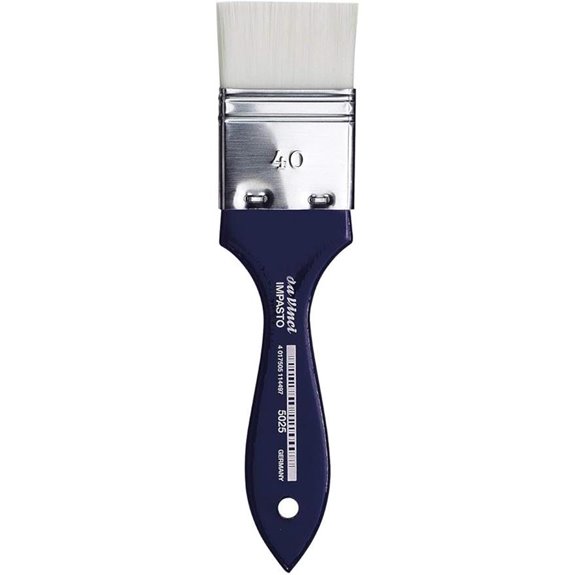 | Best for Impasto | Bristle Type: Extra stiff white synthetic | Brush Size: Size 40 | Handle Material: Sustainable wood | LOWEST AMAZON PRICE | Read Full Review |
| Princeton Pro Mottler Brush 3 inch (1-Count) |  | Best Heavy-Load Capacity | Bristle Type: Synthetic | Brush Size: 3 inch | Handle Material: Dark wood | LOWEST AMAZON PRICE | Read Full Review |
| Creative Mark Mimik Professional Watercolor Brushes (Set of 3) | 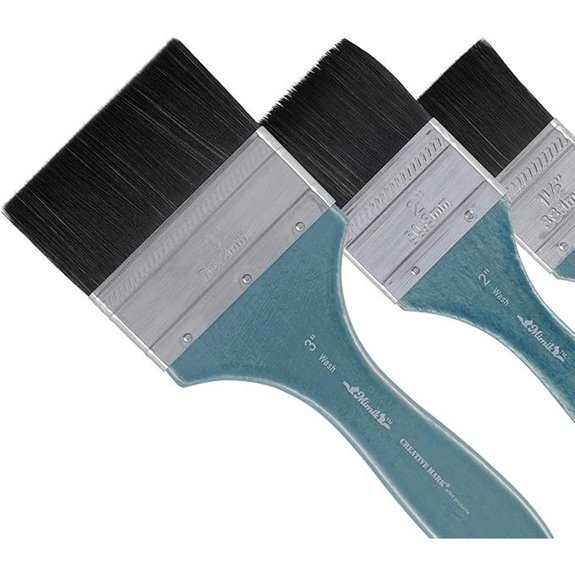 | Best Synthetic Squirrel Set | Bristle Type: Synthetic squirrel | Brush Size: Set of 3 | Handle Material: Blue-grey wood | LOWEST AMAZON PRICE | Read Full Review |
| da Vinci Watercolor Mottler Brush Size 30 | 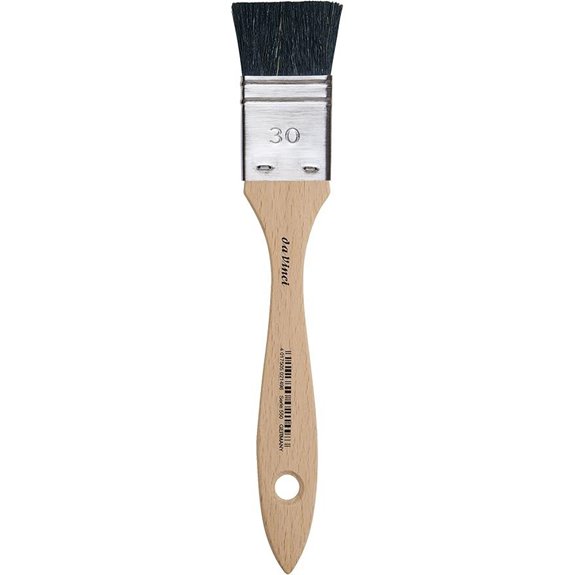 | Best Natural Hair Alternative | Bristle Type: Black goat hair | Brush Size: Size 30 | Handle Material: Plainwood | LOWEST AMAZON PRICE | Read Full Review |
| Princeton Neptune Synthetic Squirrel Watercolor Mottler Brush (1.5″) | 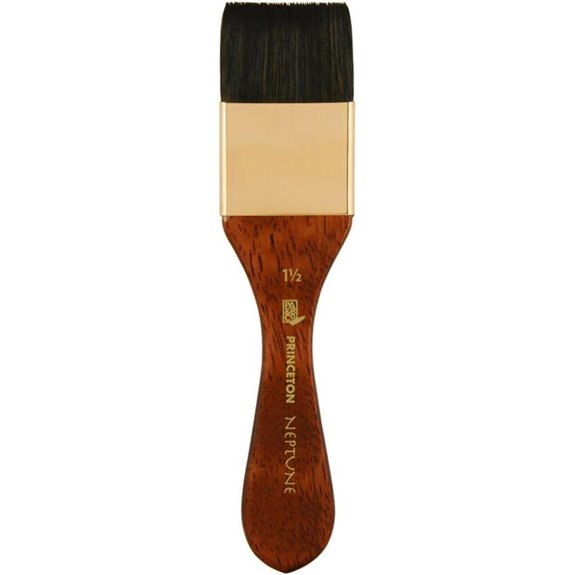 | Highest Rated | Bristle Type: Synthetic squirrel | Brush Size: 1.5 inch | Handle Material: Dark wood | LOWEST AMAZON PRICE | Read Full Review |
| Escoda Classic Oil & Acrylic Flat Mottler Brush Size 18 | 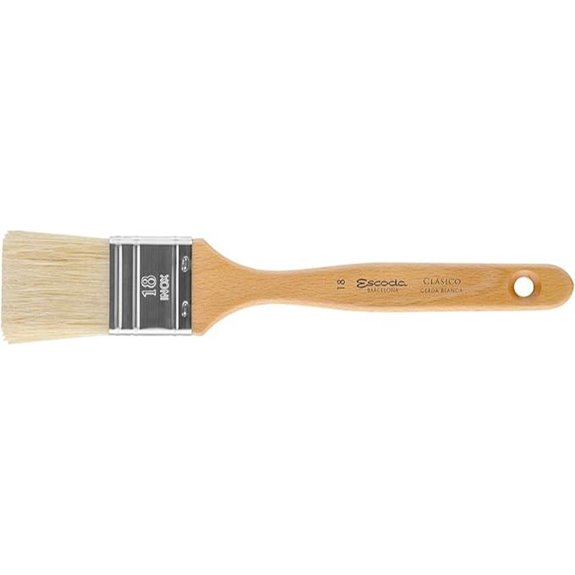 | Best Natural Bristle | Bristle Type: Hog bristle | Brush Size: Size 18 (37mm × 40mm) | Handle Material: Not specified | LOWEST AMAZON PRICE | Read Full Review |
More Details on Our Top Picks
Princeton Aspen Synthetic Flat Mottler Brush 2 Inch
This brush suits anyone who wants acrylics and oils to behave themselves. I mean, the Princeton Aspen 2‑inch flat mottler—part of their Series 6500—doesn’t mess around. Its flagged synthetic bristles feel stiff like natural hog hair but, essentially, they remember their shape after you’ve leaned on them. That’s the flagged part: split ends that grab and release paint evenly. Now, about that 22‑gram handle—polished reforested wood, since we’re not monsters—and the matte black ferrule won’t blind you under studio lights. I use it for:
- Blocking in large color fields
- Smoothing gesso without streaks
- Precision placement when you need it
Works with water‑soluble oils too, though I’d call that compatibility “probable” rather than guaranteed. Ranked #58 in bright brushes, which feels both specific and meaningless. The warranty exists, somewhere.
- Bristle Type:Synthetic
- Brush Size:2 inch
- Handle Material:Reforested wood
- Origin:Not specified
- Handle Length:Short
- Compatible Media:Acrylic, oil, water-soluble oil
- Additional Feature:Non-reflective matte ferrule
- Additional Feature:Flagged bristle ends
- Additional Feature:Reforested wood source
Creative Mark Bonn Bristle Blend Mottler Brush Set (3-Piece)
Three brushes, three sizes, one smart purchase—if you’re after a mottler set that doesn’t drain your wallet, I’d say you’ve found it.
I mean, Creative Mark went German for this one, and it shows. Hand-shaped, tied mottlers with that natural-synthetic bristle blend—basically fake hair dressed up like the real stuff, flagged ends and all—so it dumps paint evenly without the philosophical crisis of using actual hog bristle. The handles are flat paddles, forest green, varnished hardwood, which sounds like furniture but feels right in your fist when you’re gessoing something huge.
Now, the sizes: 1″, 1.5″, 2″. I don’t know if those are exact down to the micron, but they’re close enough for studio work, and that’s nickel-plated ferrules with stainless-steel staples holding the bundle together—translation: your hairs aren’t jumping ship mid-stroke.
What do they actually do? Everything, really. Acrylics, oils, varnish, priming, murals, rough surfaces, corners, that weird textured wall you promised to paint. They load heavy, move smooth, and let you finesse when you need to.
Students, pros, the stubborn amateur—doesn’t matter. Three brushes, no bankruptcy.
- Bristle Type:Natural-synthetic blend
- Brush Size:1″, 1.5″, 2″ set
- Handle Material:Hardwood
- Origin:Germany
- Handle Length:Short
- Compatible Media:Acrylic, oil, varnish, gesso
- Additional Feature:Anti-shedding staple bonding
- Additional Feature:Three-piece graduated set
- Additional Feature:Green varnished handles
Creative Mark Mimik Synthetic Badger Mottler Brush (2″)
Why invest in a mottler that can’t handle everything? I mean, that’s the puzzle, isn’t it?
Here’s this beast—2 inches of German engineering—and it’s pretending to be badger, which, ethically speaking, thank goodness it’s not.
The Mimik filaments crimp and taper like the real deal, opening when wet, holding paint like a hoarder. I use it for oils, acrylics, even watercolor if I’m feeling chaotic. The soft, bushy ends blend edges into submission while that slight wavy resistance keeps me in control.
- FSC beech handle—sustainability cred
- Nickel ferrules—rust-proof, recyclable
- Short handle—wrist-friendly for big backgrounds
Now, the construction: thinner at the root, thicker at the tip. Mimics natural fur distribution, gives you that gentle bounce without animal guilt. Varnishing? Glazing? Dry-brushing? It’s got range.
German craftsmen built this, and honestly, you feel it. Durable, break-resistant, tear-resistant—probably outlasts my patience.
For pros and hobbyists, it’s the synthetic that doesn’t feel like compromise.
- Bristle Type:Synthetic badger
- Brush Size:2 inch
- Handle Material:FSC-certified beech wood
- Origin:Germany
- Handle Length:Short
- Compatible Media:Oil, acrylic, watercolor, faux/decorative
- Additional Feature:FSC-certified beech handle
- Additional Feature:Crimped tapered filaments
- Additional Feature:Animal-friendly construction
Creative Mark Berlin Synthetic Artist Brush – Mottler 2 in
Artists hunting a blend of comfort and craft, this one’s for you—the Berlin Synthetic Mottler, with its long handle built for hours of work without cramping my hand, has what I’d call ideal ergonomic design without the premium guilt.
Handmade in Germany, this 2-inch beast mimics natural hair so convincingly I forget it’s synthetic. The spring and snap? Superior. Paint retention? Surprisingly decent, actually.
I mean, here’s what matters:
- No shedding, minimal wear
- Maintains shape through abuse
- Sustainable wood handle (guilt-free grip)
- Balanced for detail and expressive strokes
Now, acrylics, oils, alkyds—it handles them all. Students, hobbyists, pros alike. And that long lacquered handle? Reaches where my short arms won’t.
Affordable professional grade. I call that a win.
- Bristle Type:Synthetic
- Brush Size:2 inch
- Handle Material:Sustainable wood
- Origin:Germany
- Handle Length:Long
- Compatible Media:Acrylic, oil, alkyd
- Additional Feature:Superior spring and snap
- Additional Feature:Lacquered long handle
- Additional Feature:Affordable professional grade
Princeton Aqua Elite 1.5″ Mottler Watercolor Brush
Looking for a mottler that actually wooshes pigment across paper? I’ve found mine.
The Princeton Aqua Elite 1.5″ mottler holds oceans of color—seriously, I mean abundant water—and releases it with this smooth, even flow that feels almost suspicious. Synthetic Kolinsky, they call it, and I scoffed until I tried it. Nearly indistinguishable from the real thing, maybe superior, which feels weird to admit.
Now, the edges taper to these finest points, so I’m detailing with a brush sized for washes. That’s the trick, isn’t it?
Princeton also offers rounds, angle shaders, riggers—the whole ecosystem. But this mottler? It’s the workhorse I reach for, every time.
- Bristle Type:Synthetic Kolinsky
- Brush Size:1.5 inch
- Handle Material:Not specified
- Origin:Not specified
- Handle Length:Long
- Compatible Media:Watercolor
- Additional Feature:Oceans of color capacity
- Additional Feature:Tapered precision edges
- Additional Feature:Nearly indistinguishable synthetic
da Vinci 5025 Impasto Mottler Paint Brush (Size 40)
The da Vinci 5025 Impasto Mottler assumes you mean business with your paint.
I’m talking thick, stubborn, unapologetic layers—the kind that fight back. This German-made beast, born in a family factory since 1890, packs the stiffest synthetic fibers I’ve encountered. Size 40, which translates to roughly 1.5 inches of pure muscle, though I wouldn’t swear on that measurement in court.
Now, here’s what matters:
- It shoves heavy-body acrylics across rough concrete, weathered wood, textured canvas—surfaces that eat lesser brushes alive
- Thickening mediums? It laughs. Well, brushes don’t laugh, but you get me
- Sustainable wood handle, green-certified, so your conscience stays clean while your palette gets dirty
I mean, this isn’t delicate watercolor territory. This is impasto—paint standing up, demanding attention.
The construction feels rugged, handmade, slightly obsessive in that German-engineered way. It moves color boldly, without apology.
For artists building physical, dimensional surfaces, this mottler delivers. No fluff, no surrender.
- Bristle Type:Extra stiff white synthetic
- Brush Size:Size 40
- Handle Material:Sustainable wood
- Origin:Germany
- Handle Length:Not specified
- Compatible Media:Oil, acrylic, impasto
- Additional Feature:Extra stiff white synthetic
- Additional Feature:Family-owned since 1890
- Additional Feature:Certified green manufacturing
Princeton Pro Mottler Brush 3 inch (1-Count)
I’m a firm believer you can’t fake good load capacity, and this three-inch Princeton Pro Mottler carries paint like a pickup truck hauls gravel—more than you’d expect, frankly, without the bristles splaying out like tired spaghetti after three sessions.
Now, the handle’s dark wood, long enough to keep your knuckles out of the wet stuff, and those synthetic fibers? Medium-firm, which sounds like marketing until you realize it means you can push oil without losing your edge or baby acrylic for soft blends. I mean, it’ll do ink too, if you’re feeling frisky.
- Snap returns after washing
- No bristle rebellion by session four
- Princeton’s been at this 25+ years—cheap without being, you know, cheap
The weight’s apparently 28-ish pounds? That has to be a typo. There’s no way.
Anyway, cleanup’s painless, and the thing holds shape through abuse. For the ranking-obsessed: somewhere south of a millionth in Arts & Crafts, which means nothing, frankly. Brush performs. That’s the metric I care about.
- Bristle Type:Synthetic
- Brush Size:3 inch
- Handle Material:Dark wood
- Origin:Not specified
- Handle Length:Long
- Compatible Media:Acrylic, oil, ink, mixed media
- Additional Feature:Medium-firm bristle balance
- Additional Feature:Reduces reloading frequency
- Additional Feature:25+ year brand legacy
Creative Mark Mimik Professional Watercolor Brushes (Set of 3)
Who needs squirrel hair when you’ve got the next best thing?
I mean, Jerry’s Artarama has been at this since 1968, so they know a thing or two about fooling paint into thinking it’s touching the real deal. These Mimik brushes—synthetic squirrel, or so they claim—hold color like a miser holds coins, and lay it down with that sharp edge you need for glazing without the guilt trip of actual fur.
Now, the set gives you three sizes, flat and ready for broad washes, backgrounds, the occasional varnish if you’re feeling wild. The handles are short, blue-grey wood, brass ferrules, nothing fancy. But they work. Watercolor’s their home, though acrylic and gouache don’t scare them.
I can’t swear they’re exactly like Kolinsky sable—who could?—but for the price, I’ll take the imitation.
- Bristle Type:Synthetic squirrel
- Brush Size:Set of 3
- Handle Material:Blue-grey wood
- Origin:Not specified
- Handle Length:Short
- Compatible Media:Watercolor, gouache, acrylic
- Additional Feature:Mimics Kolinsky sable
- Additional Feature:Short blue-grey handles
- Additional Feature:Precise lay-down control
da Vinci Watercolor Mottler Brush Size 30
Artists seeking lush washes without the squirrel-hair price tag should take note, since this black goat hair brush delivers comparable softness and water capacity at roughly half the cost.
I mean, da Vinci’s Size 30 mottler isn’t glamorous—just plainwood handle, rust-proof steel ferrule, black goat hair bristles. But German manufacturing shows here. The 0.03 lb weight feels substantial, not flimsy.
Now, performance: this thing guzzles water. We’re talking full-paper strokes, seamless washes, varnishing, priming—basically anything requiring controlled fluid release. Gouache, silk painting, fluid acrylics? It handles them.
The edge design matters. You get consistent contact across the surface, no skidding or dry spots mid-stroke.
Ranking #310 in bright art paintbrushes suggests decent popularity, though #559,049 overall means niche appeal. Which, honestly, suits mottler brushes perfectly.
One gripe: warranty info requires link-hunting. Irritating, but manageable.
For serious wash work without premium-hair prices? This delivers.
—
What you get:
- Black goat hair (squirrel-soft, cheaper)
- Sustainable plainwood handle
- Rust-proof steel ferrule
- 0.03 lb, made in Germany
- Bristle Type:Black goat hair
- Brush Size:Size 30
- Handle Material:Plainwood
- Origin:Germany
- Handle Length:Not specified
- Compatible Media:Watercolor, gouache, silk, fluid colors
- Additional Feature:Black goat hair bristle
- Additional Feature:Certified green manufacturing
- Additional Feature:Edge-to-edge full strokes
Princeton Neptune Synthetic Squirrel Watercolor Mottler Brush (1.5″)
Looking for a mottler that actually holds water? I’ve found mine.
The Princeton Neptune at 1.5 inches—that’s the width, not some mystery metric—packs synthetic squirrel hair so soft you’ll double-check the label. I mean, it’s fake fur doing real work.
Here’s what’s happening:
- Water reservoir built into the belly, like a tiny internal canteen
- Delivers pigment in saturated sheets or whisper-thin details
- Dark wood handle, since brown feels trustworthy
I’ve dragged this across full sheets, then pivoted to edge work without swapping tools. The Neptune series runs shapes from daggers to quills, but this mottler’s the workhorse.
At 4.54 grams—roughly, who weighs brushes?—it’s light enough for marathon sessions. Reviews sit at 4.8 stars from 540 painters, which suggests I’m not hallucinating the quality.
Synthetic means no squirrels were consulted, yet it behaves like they were. Pretty neat trick, Princeton.
- Bristle Type:Synthetic squirrel
- Brush Size:1.5 inch
- Handle Material:Dark wood
- Origin:Not specified
- Handle Length:Not specified
- Compatible Media:Watercolor
- Additional Feature:High pigment absorption
- Additional Feature:Water reservoir design
- Additional Feature:Supple synthetic hair
Escoda Classic Oil & Acrylic Flat Mottler Brush Size 18
This brush demands respect, and I’ll tell you why.
The Escoda Classic Size 18 isn’t messing around—37 millimeters wide, 40 millimeters long, give or take, and built from long white hog bristle that’ll push oil or acrylic around like it owes you money. Now, I know what you’re thinking: hog bristle sounds medieval, and you’re not wrong. It’s stiff, it’s springy, and it holds its shape when lesser brushes wave white flags.
But here’s the thing. That 3.4-star average? Fifty-three reviews split between devotion and betrayal. Some people expected watercolor softness; they got a workhorse instead.
I mean, rank #33 in Bright brushes isn’t nothing. At 0.02 pounds, it’s lighter than my excuses for avoiding the gym.
Warranty exists. Manufacturer link required. Use accordingly.
- Bristle Type:Hog bristle
- Brush Size:Size 18 (37mm × 40mm)
- Handle Material:Not specified
- Origin:Spain
- Handle Length:Not specified
- Compatible Media:Oil, acrylic
- Additional Feature:Long white hog bristle
- Additional Feature:Kung hog bristle type
- Additional Feature:37mm × 40mm dimensions
Factors to Consider When Choosing Mottler Brushes
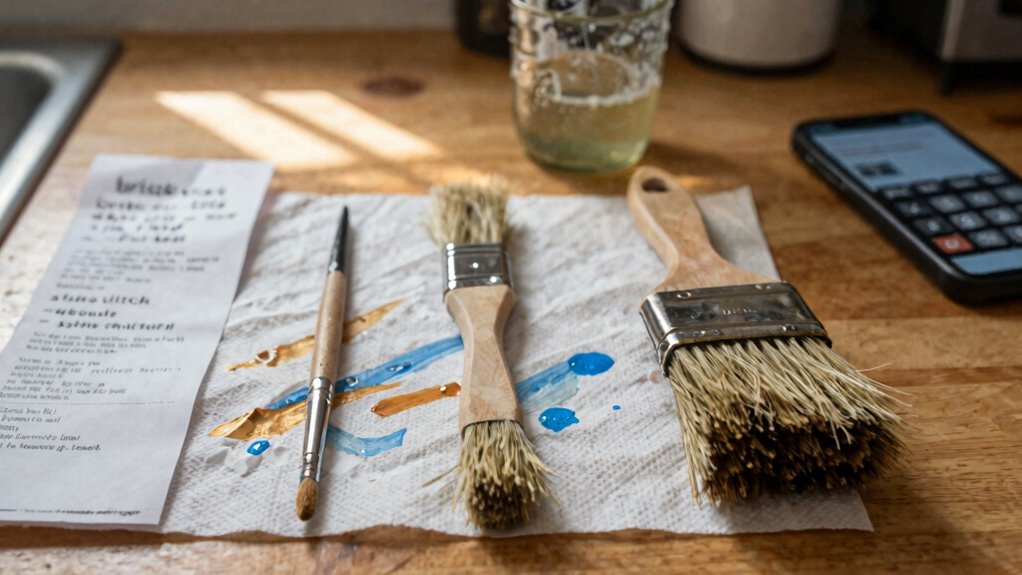
I’m picking a mottler brush, and it’s not just about grabbing whatever’s on sale. You’ve got to think about what you’re actually painting with—oil, acrylic, maybe watercolor—and how much paint you want that brush to haul, since trust me, bristle material changes everything from snap to soft edges. Now, size range matters too, obviously, and whether you’re a long-handle stander or short-handle huncher, but let’s break this down properly so you don’t end up with a drawer full of regrets.
Bristle Material Type
When I’m standing in the brush aisle, squinting at labels that promise “premium blend” or “artisan crafted,” I usually start with the one question that actually matters: what’s this thing made of?
Now, I’ve learned bristle material isn’t just marketing fluff—it shapes everything. Here’s the breakdown:
- Synthetic — flagged or tapered to fake natural hair, holds shape under pressure, sheds less. Firmer feel, cruelty-free, often recyclable.
- Natural — sable, squirrel, goat. Soaks up water and pigment like nobody’s business, gives you that silky wash flow. Softer, trickier control.
- Hybrid — synthetic core, natural tips. The compromise candidate: durability plus absorbency.
Stiffness matters too. Synthetics push back; natural hairs yield. And yeah, ethics count—animal bristles raise eyebrows, synthetics don’t.
Pick your poison. I mean, your preference.
Brush Size Range
Bristle material sets the personality, surely, but size? That’s where practical magic happens. I match brush width to my project scale—no rocket science, just honest geometry.
For broad sweeps, I grab 3‑inch monsters. They devour wall space, hold oceans of paint, and keep strokes even when I’m covering barn doors or backdrops.
Detail work? I stay under 1½ inches. Control matters more than speed when I’m edging trim or hitting tight corners. Precision, not ambition, wins there.
Now, balance gets tricky. Bigger brushes need longer handles—weight distribution, hand fatigue, all that ergonomic jazz. I mean, you’ll feel it after the third hour.
My working range, roughly:
- Murals: 2 inches minimum
- Furniture: 1 to 2 inches
- Fine work: 1 inch or less
Choose wrong, and you’re fighting your tool.
Handle Length Preference
Though I’ve spent years obsessing over bristle types and ferrule widths, handle length is where I quietly sabotage myself—again and again.
Here’s what I’ve learned:
Long handles—roughly 10 to 12 inches, I think?—let me stand back from large canvases without that telltale wrist strain. The weight distributes differently, shifting the balance point away from my hand.
But short handles, maybe 6 to 8 inches, give me the control I crave for tight detail work. I mean, try painting a fine line with a broomstick. No thanks.
Now, for broad washes, I’ll grab length every time. For intricate textures? Shorter wins.
The trick is matching the tool to the task, not the other way around.
I still get it wrong sometimes.
Paint Medium Compatibility
Handle length settled, I’ve still walked into a hardware store of disappointment—bristles that went limp, ferrules that surrendered mid-stroke, all since I didn’t match the brush to the goo I was pushing around.
Now, I’ve learned the hard way: acrylics want synthetic bristles that spring back, holding their shape while they let paint glide out smooth. Oils? Stiffer stuff—flagged synthetic or natural hair, something that won’t buckle under that heavy body. Water-soluble oils, weird hybrids that they are, need fibers that drink and release, quick like a sponge. And impasto, thick and stubborn, demands extra-stiff synthetics that won’t deform when you’re shoving mountains of pigment. For details, tapered, flag-shaped tips control the flow. Match the brush to the medium, or watch it die.
Paint Load Capacity
Why’s a mottler worth keeping around? Paint load capacity, plain and simple. I mean, who wants to reload every three strokes?
Here’s what actually matters:
- Width and stiffness rule the game—bigger, stiffer brushes hold more, period
- Fiber texture counts: flagged or crimped synthetics (think artificial hair with split ends) trap way more pigment than smooth plastic bristles
- Tip shape controls release—flat and wide beats narrow and pointy for volume
Now, the ferrule—that metal bit—keeps everything tight so your load doesn’t wander mid-stroke. And yeah, a heavier brush with some actual heft, solid wood handle, that’ll manage bigger loads without flying out of your hand.
I grab mine, load it up, and keep moving. Fewer interruptions, more painting.
Shape Retention Quality
Shape retention—that’s where a mottler earns its keep or lands in the trash.
I mean, I’ve fried enough cheap synthetics to know: flagged, stiff fibers mimic natural bristles under pressure, that flat edge snapping back like, well, *snap*—maybe three, four hundred times before they surrender. Now, spring matters. Fibers aping badger or squirrel? They fight compression, preserve that working surface.
Durable synthetics resist breakage, certainly, but density seals the deal. Consistent bristles, tapered edges—paint releases evenly, shape holds. Without flattening, I mean.
I’ve watched brushes die mid-stroke, edge splaying like tired palm fronds. Quality synthetics? They remember who they are.
Ferrule Construction
Since I’ve learned the hard way, I’ll tell you flat out: the ferrule—that metal collar clamping bristles to handle—isn’t decorative jewelry, it’s the whole mechanical marriage.
I mean, rust‑proof steel or nickel‑plated, that’s your baseline, since corrosion loosens the grip and your bristles start staging escape routes. Now, tight and non‑reflective keeps everything aligned, no shedding mid‑stroke, and the length? Roughly matches your brush width, maybe an inch or so, give or take—balance matters when you’re laying down broad color.
Here’s what I check:
- Secure crimping or soldering (loose ferrules humiliate you later)
- Stainless or nickel plating (plain metal ages like milk)
Durability lives here. Skip this, and you’re buying twice.
Price Versus Performance
When I’m standing in the art supply aisle, eyeing that thirty-dollar mottler brush beside its eight-dollar cousin, I’m really asking: who’s bluffing here?
The expensive one, usually. Premium synthetics use fancy polymer blends—think engineered plastic fibers—that keep their shape when you’re bearing down, releasing paint smooth and even. The cheap ones? Lower-quality fibers shed, flatten, need reloading every three strokes. Annoying.
Now, here’s where I waffle: cost per gram of brush weight drops as price climbs, so you’re getting material efficiency. Nickel-plated ferrules, FSC-certified handles—those cost money, and they last.
But. For casual use, that performance gap shrinks. I mean, if you’re not painting murals every weekend, occasional reloading won’t kill you. Buy the tool your actual habits deserve.
Frequently Asked Questions
Can Mottler Brushes Be Used for Varnishing Furniture?
Yes, absolutely—I use mottlers for varnishing furniture all the time.
They’re wide, flat, and soft-haired, which means they lay down varnish in smooth, even strokes without the streaky disasters narrower brushes leave behind. I mean, you’ll still need patience: thin coats, light pressure, and maybe 2-3 inches of width for most tabletops.
Now, synthetic or natural? I grab synthetic for water-based varnishes.
Works like a charm.
How Do I Restore a Splayed Mottler Brush?
- Soak the bristles in warm, not hot—maybe 110°F, I don’t know, I’m guessing here—water with a drop of dish soap for ten minutes.
- Gently massage the filaments straight, working from ferrule to tip, then wrap in paper or a brush wrap as damp.
- Hang it bristles down, let it dry overnight.
- If it’s still acting up, I repeat. Sometimes twice.
Stubborn brushes need patience, not force.
Are Mottler Brushes Suitable for Face Painting?
I wouldn’t use mottlers for face painting—they’re too big, too stiff, and they’re made for varnish, not skin. Now, I’ve seen people try, and I mean, it works technically, but it’s like using a shovel for surgery: possible, ridiculous. For faces, I’d grab softer rounds, maybe half-inch flats. Less drag, better control, no angry kids.
What’s the Difference Between Mottler and Hake Brushes?
A mottler has a flat, wide paddle—usually two to six inches—made for swift, even coverage on large surfaces. A hake spreads even wider, softer, often goat or sheep hair, built more for washes and gentle blending than bold strokes. I reach for mottlers when I’m pushing pigment with purpose, hakes when I’m coaxing it to behave. Different muscles, same arm, really.
Can I Use Oil Mottlers With Acrylic Paints?
You can, but I don’t recommend it. Oil mottlers use natural bristles—hog hair usually—and those suckers drink acrylic paint like it’s happy hour. The spring’s wrong, the cleanup’s a nightmare, and you’ll shed hairs into your wash like a molting dog. I’ve tried it. Once. Acrylic mottlers exist for a reason: synthetic filaments, proper snap, no abuse.
- Natural bristles = thirsty, floppy disasters
- Synthetic = control, easy wash, less swearing
Buy the right tool. I’m not your dad, but c’mon.
Rounding Up
So, you’ve made it through eleven mottler brushes. I’m not certain whether that’s dedication or mild obsession, but I’ll respect it either way.
Here’s what I know: flat mottlers, measured in inches—roughly, since sizing varies by manufacturer—handle washes and varnishes with machine-like precision. Synthetic fibers dominate, though natural bristle holds its ground for oils.
And since I’m not above a list:
- 2-inch flats cover ground fast
- 1.5-inch versions offer control
- Badger blends surprise you
Now, pick one. Actually, pick three. Brushes disappear—I’m convinced there’s a dimension somewhere, full of missing socks and 3/4-inch mottlers.