How Long Does Paint Smell Last and How to Get Rid of It?
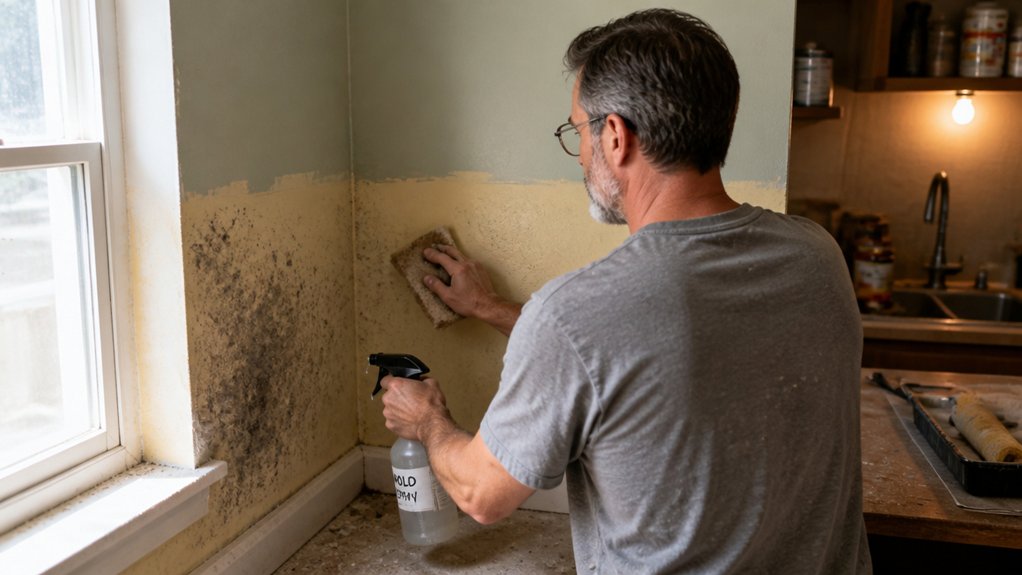
You’re staring at freshly painted walls that look perfectly dry, yet the smell is still hitting you hours later. That odor isn’t just annoying, it’s VOCs off-gassing while the paint cures, which takes longer than drying time.
You’ll notice the smell lingers for 36 hours to a week, even after the surface feels ready for a second coat. Your nose isn’t a reliable safety meter, so keep windows wide open for a full 72 hours and use a box fan blowing outward for real cross-ventilation.
Skip the fresheners, they only mask the fumes and trick you into thinking the air is clean. Instead, keep air moving for several days post-paint, and I’ll cover natural absorbers like baking soda and charcoal that finish the job.
Quick Answer
- Paint smell lasts 3–4 days for latex, 5–7+ days for oil-based, with full cure up to a month.
- Ventilate with open windows and an outward box fan for at least 72 hours after the final coat.
- Odor absence doesn’t mean safety; VOCs off-gas below smell threshold, causing headaches or dizziness.
- Air fresheners only mask fumes, leaving sticky residue; use cross-ventilation instead for real VOC removal.
- Use respirators with organic vapor cartridges for solvent-based paints; HEPA purifiers cannot replace fresh airflow.
How Long Do Paint Fumes Last in a Home?
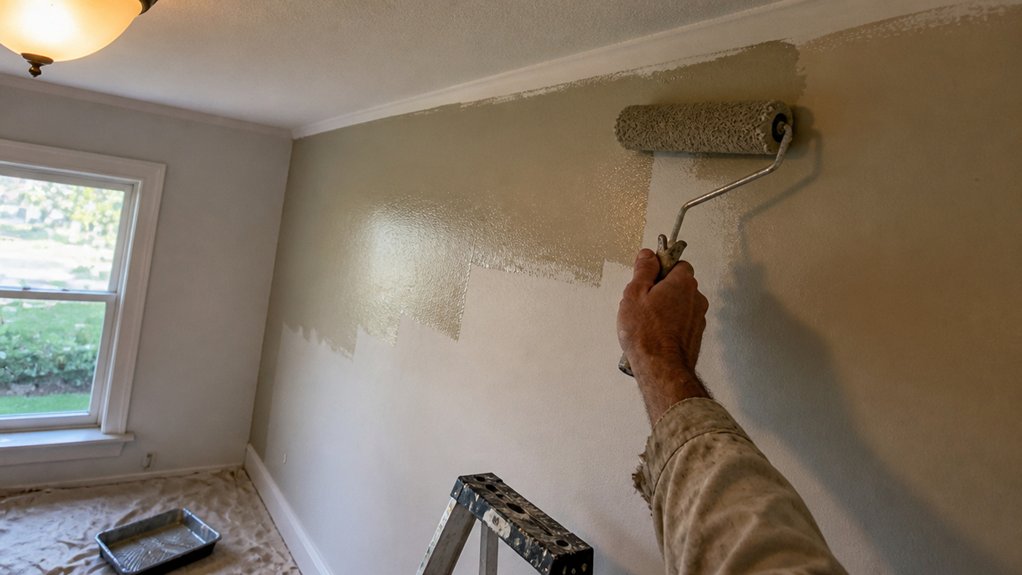
Most people think the paint smell is gone once the walls look dry, but the solvents are still releasing fumes long after that.
Plan on odors lingering for 36 hours to a week, but no smell doesn’t mean no danger.
VOCs keep off-gassing even when you can’t detect them, so your nose isn’t a reliable safety meter.
Open windows wide for at least 72 hours after the last roller pass, and longer if humidity is high.
Damp air slows the drying time of the topcoat and stretches out the cure time, which means more fumes.
Low-airflow rooms, like closets or basements, can hold the smell for several days, so aim a fan out the window there.
You don’t need a high-sheen gloss or expensive low-VOC paint to keep the air safe, you just need moving air.
Skip the air freshener and the patchouli, they only mask the odor and fool your nose.
Treat the paint like a wet coat of varnish or polyurethane, it needs air to release its solvents.
Keep the drop cloths down and the painter’s tape up until the room smells like wood and dust again, not chemicals.
If you used a satin or matte finish, the drying time is shorter, but the cure time still runs a full month.
So don’t seal the windows after day two, give the room a few extra days of cross ventilation.
That fading smell is the last of the VOCs leaving, so let it leave.
Open a window, point a fan out, and give the paint the air it needs to finish the job.
If the lingering chemical odor becomes overwhelming, switching to an odorless mineral spirits-based cleaning routine for your brushes and equipment can reduce the amount of solvent you introduce into the space.
Water-Based vs. Oil-Based: Paint Fume Duration Differences
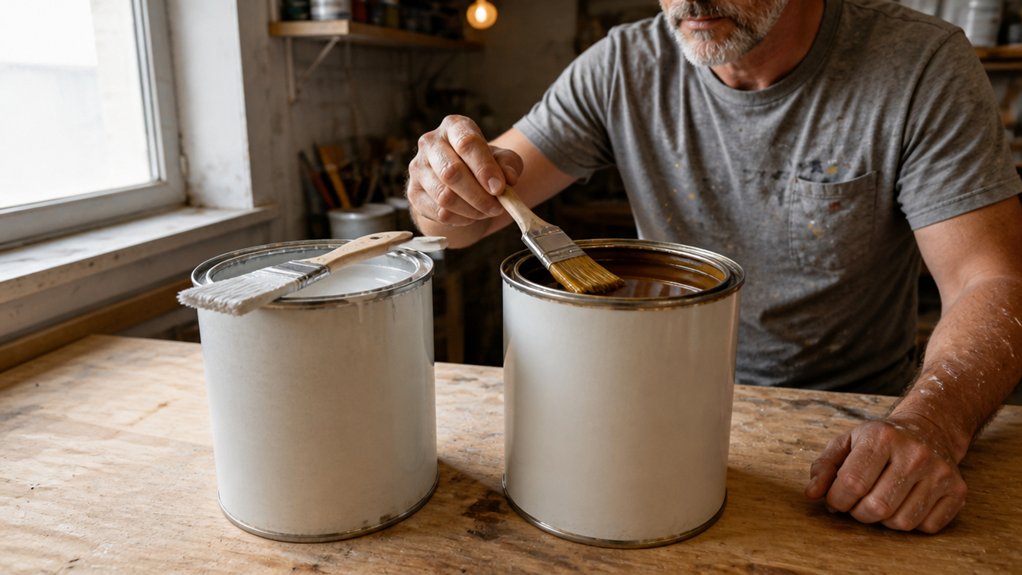
Water‑based latex paints usually stop smelling within three to four days, even with normal ventilation.
Oil‑based or solvent‑based paints can off‑gas for a week or longer, and that sharp, greasy odor lingers because those solvents evaporate slowly. They keep releasing VOCs, the volatile organic compounds that give paint its kick, long after the surface feels dry to the touch.
If you’re painting a bedroom and want to sleep in it by the weekend, grab a water‑based can and use a low‑VOC primer first to speed things along. If you’re refinishing a furniture piece in the garage with oil‑based stain or varnish, you can wait out the smell there, but keep the door open and put it on a drop cloth.
Just don’t bring that oil‑based topcoat inside until it’s truly cured, which can take two to three weeks, not just the drying time of a day or two.
For water‑based paint, you can usually get away with a satin or eggshell sheen in a bedroom, and the wet edge stays workable longer so you avoid lap marks and brush strokes.
Oil‑based polyurethane gives a tougher film, but it needs full cure time before you sand it or recoat with a finer grit like 220.
To speed up the breakdown of those lingering fumes, keep air moving with open windows and fans, and for smaller jobs, choose an odorless mineral spirits to clean brushes and thin paint without adding extra solvent smell to the room.
Water-Based Fume Lifespan
Water-based paints are the sprinters of the fume world, kicking out their odor in about three to four days. Oil-based paints are the marathon runners, hanging around a week or more.
Your choice of paint matters, and water-based durability comes with a much shorter off-gassing period if you set things up right. Drying time depends on room temperature and humidity, so keep the space cool and dry or that smell will drag on.
Air movement is your best friend, so crack a window and run a fan to push the fumes out. The odor often fades within 48 hours, but your nose can fool you, so don’t rely on it alone.
For a beginner, stick with a water-based acrylic or latex topcoat in a satin or matte sheen, since these have lower VOCs and dry faster than oil-based varnish. For example, many acrylic latex paints offer coverage up to 400 square feet per gallon and a recoat time as short as two hours. Brush strokes and lap marks show more in water-based finishes, so keep a wet edge and work in full passes.
Use a primer first to seal the surface, especially on raw wood, and sand with 220 grit between coats to smooth things out. Lay down a drop cloth and use painter’s tape to protect trim, then roll on your topcoat with even pressure.
Drying time is not cure time, so while the paint feels dry by day two, wait the full four days before putting any weight on it. Keep the room ventilated the whole time, and you’ll be golden by day four without the lingering smell.
Solvent-Based Off-Gassing Period
Solvent-based paints take their sweet time leaving a room. You’re looking at five to seven days of noticeable fumes, and sometimes longer.
That’s because oil-based formulas rely on mineral spirits, which evaporate slowly. I learned this the hard way painting a bookshelf in my tiny apartment and then eating dinner three rooms away with a headache.
The payoff is a tougher, smoother topcoat with stronger tinting strength. That means less paint for full coverage on high-wear surfaces like doors, trim, and cabinets.
The catch is higher VOC levels, which bring harsher fumes and more pigment toxicity. You’re trading indoor air quality for durability, so ventilation becomes your best friend.
Set up a drop cloth, open every window, and run a fan aimed outward. Wait at least a week before you even think about the cure time for sanding or a second coat.
For a quick touch-up on a small shelf or a weekend project, stick with a water-based acrylic or a low-VOC latex. Save the solvent-based stuff for surfaces that see real abuse, and always wear a respirator rated for organic vapors that is NIOSH-approved to reduce breathing resistance during application.
After the final coat, keep the room aired out for several days, not just overnight. The wet edge may dry in a few hours, but the off-gassing lingers long after the film feels dry to the touch.
When Is Paint Fume Exposure Dangerous to Health?
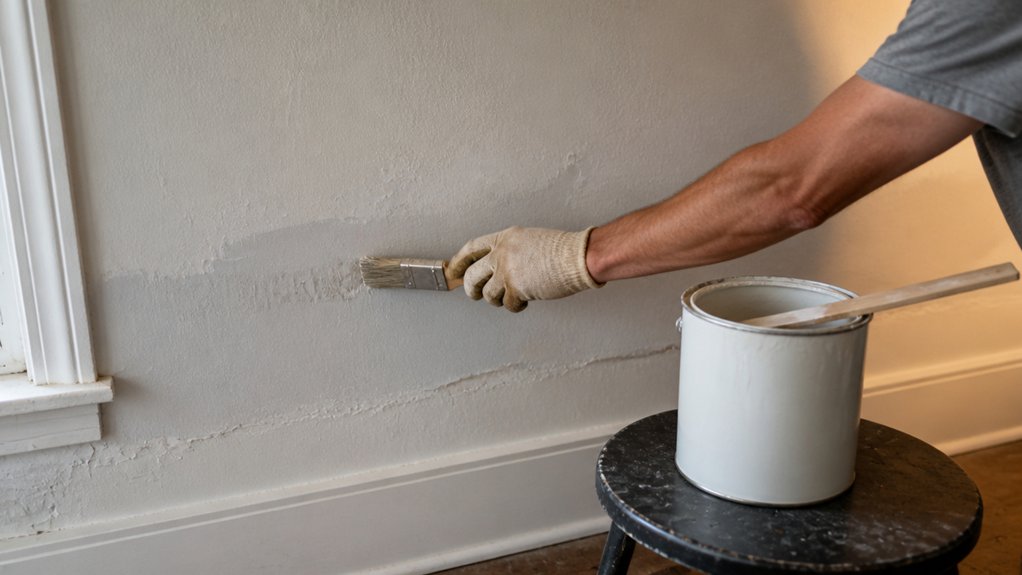
Paint fumes become dangerous when you get a headache, feel dizzy, or your eyes start burning, and that can happen before you even smell the paint. Those volatile organic compounds, or VOCs, keep releasing into the air for days after the paint looks dry, and some of them have no smell at all.
So your nose is a bad safety tool, and you need to rely on ventilation instead of your senses. Give fresh paint at least 48 to 72 hours of solid airflow before you spend time in the room, and longer if you’re using oil-based finishes.
A water-based primer and topcoat will off-gas less than a solvent-based varnish or polyurethane, but every coating still needs that cure time to stop releasing fumes. Even a low-VOC latex paint can irritate you if you sand it dry without a mask, since the dust carries those chemicals into your lungs.
Set up a fan to blow air out a window and keep a drop cloth down, but don’t trap fumes by closing the room off. If you feel lightheaded or get a headache while painting, stop, step outside, and come back with a respirator rated for organic vapors—the same protection as a full-face respirator’s activated carbon filter for trapping chemical gases and paint fumes, as noted in NIOSH-approved options for P100-level particle capture.
The wet edge and lap marks matter for the finish, but your health comes first, so always check the label for the dry time versus full cure time. That extra day or two of patience keeps you from breathing in stuff that can damage your liver or nervous system over repeated exposure.
Health Risks of VOCs
Fresh paint fumes can hit you harder than most people expect, and I’ve seen it on the job plenty of times. If you’re feeling sick after painting a closet, you’re not being dramatic. VOCs, or volatile organic compounds, are the solvents that evaporate as paint dries, and they can mess with your nervous system before you even notice the smell. At high enough levels, they can even mess with your color vision or trigger a headache that lingers for hours. Your immune system also gets involved, and that can cause swelling and inflammation that makes you feel worse all over. Water-based formulas with sub-1% VOC emissions are a safer choice for indoor spaces because they drastically cut down on fume concentration.
Here’s what I watch for on any job, and you should too. If you get a headache that doesn’t fade after you step outside for fresh air, that’s your first red flag. Dizziness or nausea within half an hour means heavy exposure, and you need to stop working right then. A burning feeling in your eyes or throat that lasts longer than a day is another sign the fumes got deep into you. If you start wheezing or feel short of breath, get out of the space immediately and don’t go back until it airs out.
The fix is straightforward, and it’s the same thing I do on every paint job. Open every window you can, set up a box fan to blow air out, and take breaks outside every twenty minutes. If you’re using a high-solvent product like a stain or varnish, or a polyurethane topcoat, step it up even more. Wear a respirator with organic vapor cartridges, not just a dust mask. That makes a real difference between a rough afternoon and a trip to urgent care. Don’t try to tough it out, and don’t assume your body will just get used to it. In my years of sanding, priming, and rolling on topcoats, I’ve learned that the smart move is to respect the fumes and walk away when something feels off.
Off-Gassing Beyond Smell
Most people assume that once paint feels dry to the touch, the job is done. But off-gassing keeps going for days, and VOCs can linger below your smell threshold. No odor does not mean no hazard. Headaches, dizziness, or watery eyes are your cue to leave the room right away.
An air purifier can help lower the risk, but a HEPA filter has real limits. It is not a cure-all, and it cannot replace fresh air moving through the space. Stick to a strict 72-hour window with windows wide open. Use box fans set in a window to pull air out and pull fresh air in for cross-ventilation. Think of your nose as a decent alarm, not a lab-grade sensor. It will miss plenty of what is still floating around. Keep the place aired out even after the primer and topcoat look dry to the touch. That drying time is only the surface cure, the full cure for the paint film takes much longer. For continuous protection during this period, consider wearing high-fidelity earplugs if you are also exposed to loud noise from fans or power tools, though they will not filter VOCs.
If you are sanding between coats, keep the dust down and the windows up. Lap marks and brush strokes show up fast when you rush the schedule. The sheen on a satin or matte finish will look fine, but the VOCs are still escaping. Do not seal up the room until the full cure time has passed.
Use a drop cloth and painter’s tape to protect your floors and trim, but none of that protects your lungs. Fresh air is the only real fix. So leave the heroics for your next DIY blunder and let the place breathe. Your body will thank you long after the polyurethane or varnish has settled.
Why Ventilation Beats Air Fresheners for Paint Fumes
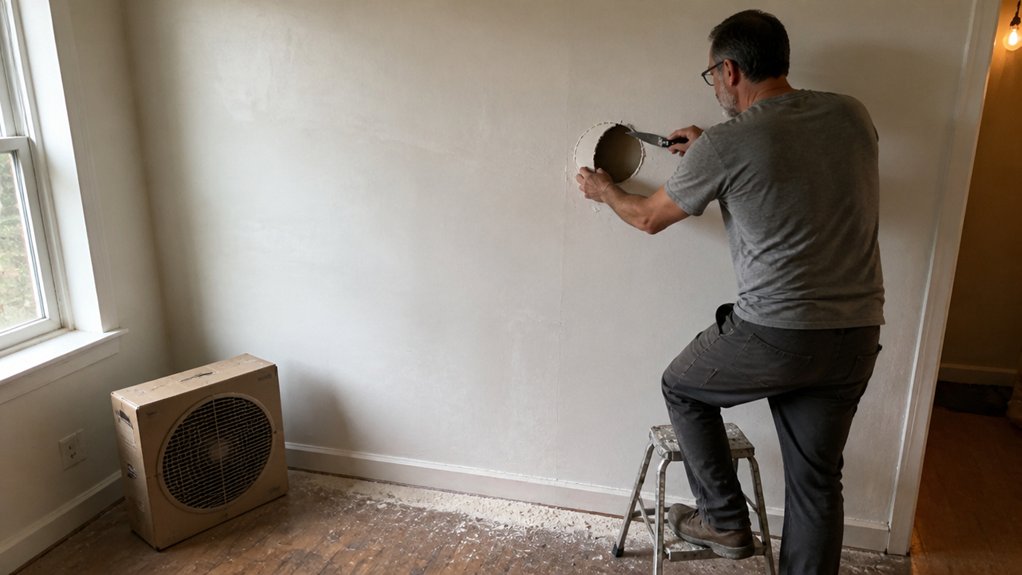
Spraying air freshener after a fresh coat of paint is like putting a scented candle on a dirty drop cloth. It masks the smell, but you’re still breathing the same VOCs, just mixed with lavender.
Ventilation actually removes those toxins, while fresheners add another layer of synthetic chemicals to the air. If you’re rolling on a satin finish or brushing a polyurethane topcoat, you want the bad stuff out, not hidden. While you’re clearing the air, remember that your own respiratory protection matters too, since P2 dust masks filter out fine particles but not the VOCs themselves.
A fan pulling air through an open window clears VOCs in hours, not days. That same setup leaves no residue on your walls, unlike fresheners that cling to paint and collect dust.
Using a box fan and a cross breeze costs nothing, and it beats the eight bucks you’d spend on a can of mist. You also avoid the sticky film that can dull a matte sheen over time.
Fresh air does the real work. Open two windows, point one fan out, and let the draft pull the fumes away.
Your lungs get a break, your primer and topcoat cure properly, and you don’t trade one chemical cocktail for another. That’s the practical move for anyone sanding, staining, or finishing a room.
7 Household Items That Absorb Paint Fumes Naturally
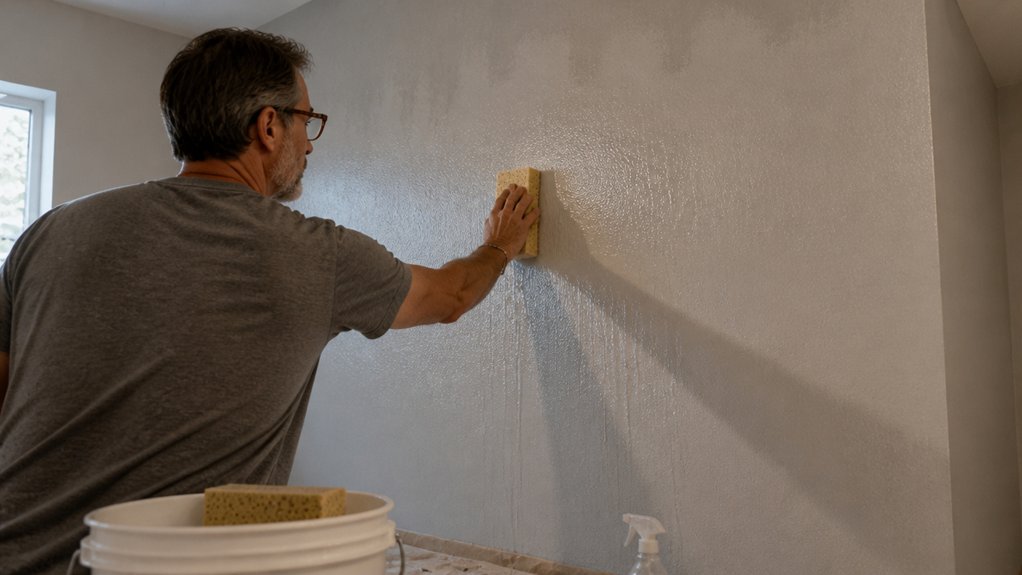
Skip the chemical sprays and check your kitchen cabinets first.
I have painted and refinished plenty of rooms, and simple pantry staples handle the fumes without the haze.
Baking soda is my first pick for fresh paint smell.
I fill shallow bowls and set them around the room, one per corner, and it pulls VOCs right out of the air for about a dollar a box.
Vinegar works the same way, though you will trade the paint odor for a faint salad dressing smell for a day or two.
I place the bowls on shelves, out of pet reach, and swap the contents every 12 hours to keep them working.
Coffee grounds are a solid backup, especially after a sanding job with fine grit dust lingering.
Spread dry grounds on a tray, and they trap odors just like baking soda, no electricity needed.
Activated charcoal is the pro-grade option for a high-VOC primer or oil-based polyurethane.
Put a few ounces in open jars, and it keeps absorbing for weeks, longer than any other item here.
This method pairs well with natural lambskin rollers that hold oil-based formulas evenly, cutting reloads in half and reducing the amount of solvent fumes released during application.
Lemon slices add a fresh citrus note while they work, but they dry out fast.
Cut them thick, place them on a plate, and replace them daily if the smell is strong.
Damp newspaper is the trick I use after staining or varnishing, because it catches airborne particles as it dries.
Crumple sheets loosely and set them on drop cloths, away from wet wood, and toss them the next morning.
Start with baking soda and vinegar for a standard latex paint job, then add charcoal if you are using a solvent-based topcoat.
You will breathe easier by morning, and you will not need a single spray can or mask.
How to Stop Paint Fumes From Lingering (Prevention Tips)
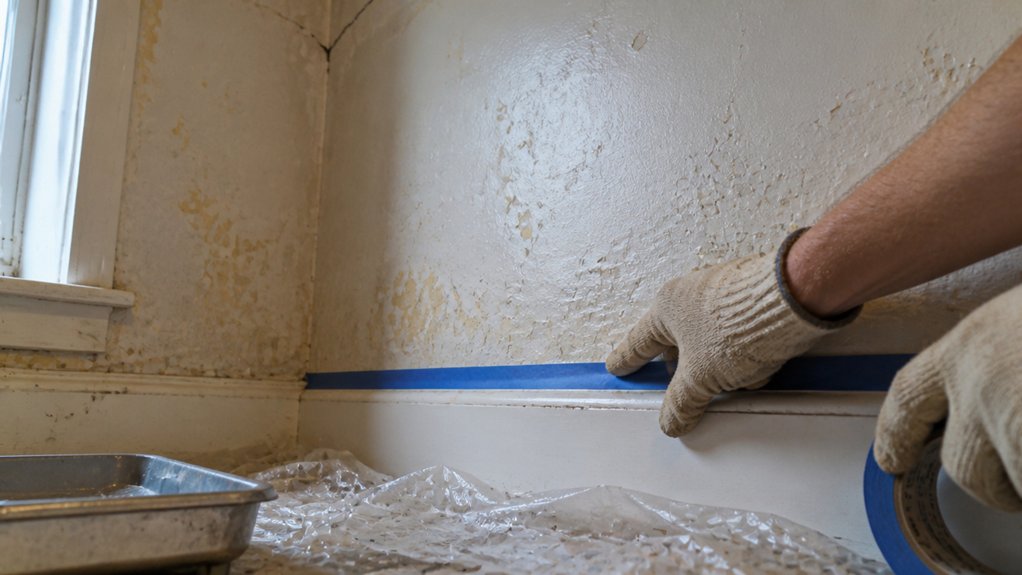
Pick paints labeled low-VOC or zero-VOC to keep fumes from taking hold in the first place.
Low-VOC claims aren’t strictly regulated, so aim for under 50 grams per liter if the can lists it.
Plan your painting time for dry days, because humidity slows drying and stretches out the odor.
Spring and fall are ideal, when you can leave windows wide open without freezing or sweltering.
Set up cross-ventilation before you pop the lid: open windows on opposite walls and point a box fan out to pull vapors away.
Close doors to other rooms so the smell doesn’t travel, and lay down a drop cloth to catch drips while you work.
Put out bowls of vinegar and baking soda around the room before you start, so they absorb odors as you roll on the paint.
This beats scrambling for cleanup after the fact, especially when you’re trying to avoid lap marks and brush strokes on a fresh topcoat.
Choose a satin or matte sheen for low-VOC options, since glossier finishes sometimes need more solvent-based additives that smell stronger.
Remember that drying time isn’t the same as cure time, so keep ventilating for days after the paint feels dry to the touch.
Use painter’s tape to mask trim and edges early, and sand lightly with fine grit between coats if you’re priming over bare wood.
The whole routine comes down to smarter paint, hard airflow, and absorbents set out in advance. Your nose will stay clear.
For especially stubborn odors, opt for a low-VOC primer that seals porous surfaces and dries with minimal chemical off-gassing.
Frequently Asked Questions
Can Paint Fumes Travel to Other Rooms?
Yes, paint fumes can absolutely travel to other rooms, and they do so faster than most people expect. Without proper crossflow ventilation, those airborne VOCs and solvent particles seep through door gaps, HVAC returns, and even electrical outlets, spreading through the whole house.
To limit the spread, close all interior doors and seal the bottom gaps with a damp towel or painter’s tape. Place a box fan in a window facing outward to create negative pressure, which pulls fumes away from living spaces instead of letting them drift.
For a quick fix today, set out open containers of white vinegar or baking soda in adjacent rooms to help neutralize odors while the paint cures. Keep windows cracked for at least 48 hours after the final coat, and remember that latex paint off-gasses longer than oil-based enamel, so the smell can linger for up to a week without active exhaust.
Do Air Purifiers Remove Paint Odors Effectively?
Yes, air purifiers can remove paint odors effectively, but only when you pair a HEPA filter with a carbon layer to tackle both particles and gases. Place the unit close to the painted surface, running it continuously for 48 hours, and it will noticeably cut the smell. Don’t expect it to vanish entirely, though, since heavy VOCs from oil-based enamel need fresh air exchange.
As a finisher, I always set a box fan in the window for cross-ventilation while the purifier scrubs the room’s air. For water-based latex, a good carbon purifier clears the odor in about a day, but thinning with water speeds drying and reduces fumes faster.
How Long Should Babies Stay Away After Painting?
Babies should stay away for at least 72 hours after painting, until the paint’s off gassing fully ends. That’s the minimum even if the surface feels dry to the touch, because solvents and VOCs linger long after the sheen sets.
Keep every window wide open and run a fan aimed out of the room to boost ventilation during that entire period. Don’t trust your nose; a lack of smell does not mean the air is safe for a baby’s developing lungs.
For a concrete rule, wait three full days before letting a child sleep or play in that space, and consider using a low-VOC, zero-VOC, or natural paint next time to cut that timeframe down. Wipe down walls with a damp cloth after drying to remove any residual dust, but still stick to the 72 hour buffer.
Can Paint Fumes Contaminate Food in the Kitchen?
Yes, paint fumes can contaminate food in the kitchen through odor absorption, especially with porous items like bread, flour, or uncovered leftovers. The volatile compounds in solvent based paints and even some water based finishes can settle onto surfaces and taint taste, though this is rarely a chemical toxicity risk unless wet paint is directly splashed.
To protect your food today, move all perishables to a sealed fridge or a room with a closed door, and cover bowls with plastic wrap or foil. Avoid cooking, baking, or even running the dishwasher, since heat and steam accelerate fume uptake. Wait at least 48 hours after the final coat dries before returning food to the area, and keep windows open during that time.
For extra safety, check the paint label’s ventilation guidelines, as some alkyd enamels need longer off gassing. If you’re painting cabinets near a pantry, remove dry goods entirely and wipe down sealed jars after curing. Your food’s freshness and flavor depend on this simple precaution, so treat fumes like a temporary contaminant, not a lingering one.
Is It Safe to Sleep in a Freshly Painted Room?
Sleeping in a freshly painted room is not safe, as you risk inhaling volatile organic compounds that can trigger headaches, dizziness, or nausea. Even low-VOC paints release fumes, so do not trust your nose or the dry feel of the paint, since odorless doesn’t mean harmless.
Keep windows open and run a fan for at least 72 hours after the final coat, and aim for a drying time of 24 hours before even entering for short periods. For a concrete example, latex paint needs about 7 days to fully cure, but the critical off-gassing window is the first three days.
If you cannot wait, use a zero-VOC paint like a milk-based option, yet still ventilate overnight. Play it safe and sleep elsewhere for at least two nights, and consider a portable air purifier with a carbon filter to speed up fume removal.
Rounding Up
Paint smell lasts a few days for latex, but oil-based can linger for weeks.
Open your windows and run fans right away to push out the fumes.
Set out bowls of vinegar or baking soda to absorb odors cheaply and effectively.
Check your airflow before you sleep, and leave windows cracked overnight if you can.
Test the air by stepping back in after an hour: if you still smell it, it’s still in your lungs.
Ask yourself if a headache is worth skipping that extra hour of ventilation, it never is.
Read next about choosing low-VOC paints for your next project.