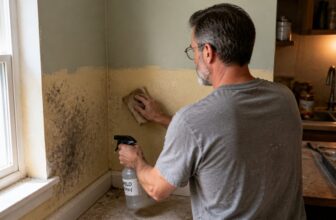
Can You Sleep in a Freshly Painted Room?
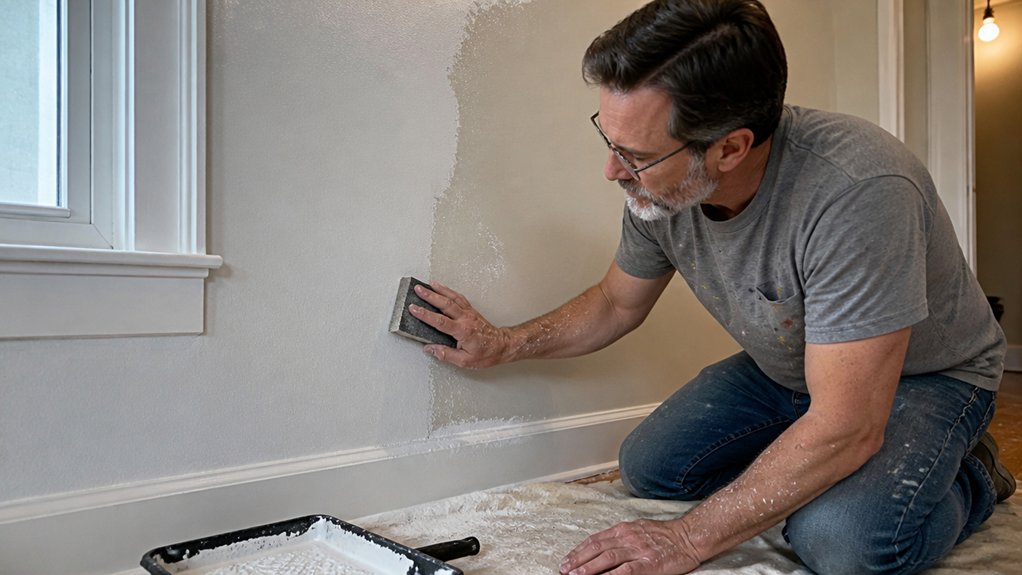
You just finished painting, and the room looks incredible. But now the smell is creeping in, and you are wondering if you can sleep there tonight. The short answer is no, not for at least 48 to 72 hours.
Even when the paint feels dry to the touch, the cure time is far from over. Those VOCs keep releasing into the air, and your nose will not warn you when it is safe. Cracking a window and pointing a fan outward helps, but it does not speed up the chemical process.
For most projects, waiting the full three days is your best bet, especially for kids or anyone with asthma. Low-VOC paint reduces the risk, but it does not eliminate it. Stick around for the details on safe ventilation and why skipping the wait can ruin your finish.
Quick Answer
- Wait 48–72 hours before sleeping in a freshly painted room.
- Low-VOC water-based latex paint allows a shorter two-day wait.
- Oil-based paints require the full three-day drying period.
- Keep windows cracked and airflow active for at least 72 hours.
- Asthmatics, children, and pregnant individuals should wait beyond three days.
Why Off-Gassing Continues for Days After Painting
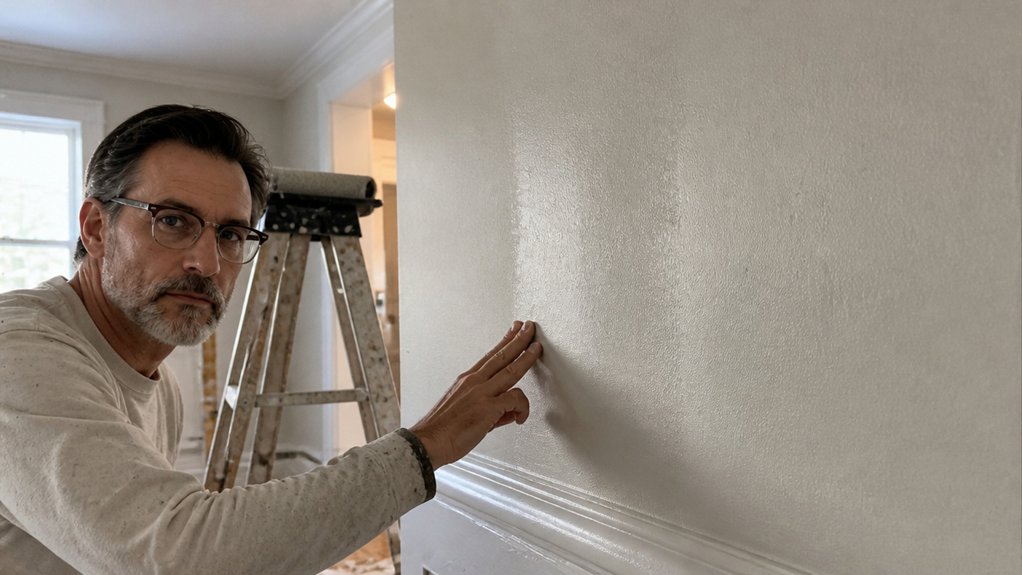
You’ve probably stood in a freshly painted room, sniffed the air, and thought, “This smells like a chemical smoothie I’d rather not drink.” That smell means the paint is still releasing volatile organic compounds, or VOCs, into your air.
The paint might feel dry to the touch by evening, but that’s just the topcoat setting, not the cure. It’s actively off-gassing for days, sometimes weeks, even after the sheen looks perfect.
This isn’t a one-time puff of fumes; it’s a slow, sneaky leak from the binder and solvents deep in the film. You can’t trust your nose or your fingers to tell you when it’s safe.
Grab a decent VOC meter, usually around $50, and wait until readings drop below 500 parts per billion. Otherwise, you’re basically marinating in leftover solvent while the paint finishes its full cure. For a more precise check on overall air conditions, pair that meter with a reliable hygrometer thermometer to track humidity, since high moisture can slow the curing process.
Grab a $50 VOC meter and wait for readings under 500 ppb—otherwise you’re marinating in leftover solvent.
I’ve learned this the hard way with varnish and polyurethane, where a satin coat feels tack-free in a few hours but stays soft for a week. Primer behaves the same way, so don’t rush your topcoat just because the surface no longer smudges.
Keep a window cracked and a fan running to push fresh air through, and use a drop cloth to catch any drips while you wait. Check the meter twice a day, morning and evening, and you’ll see a steady drop instead of a sudden zero.
That lingering smell is the paint’s drying time versus cure time doing its thing, and it’s normal. Just don’t seal the room up with painter’s tape and call it done, because you’ll turn a quick job into a week of headaches.
Which Paint Types Are Safest for a Bedroom?
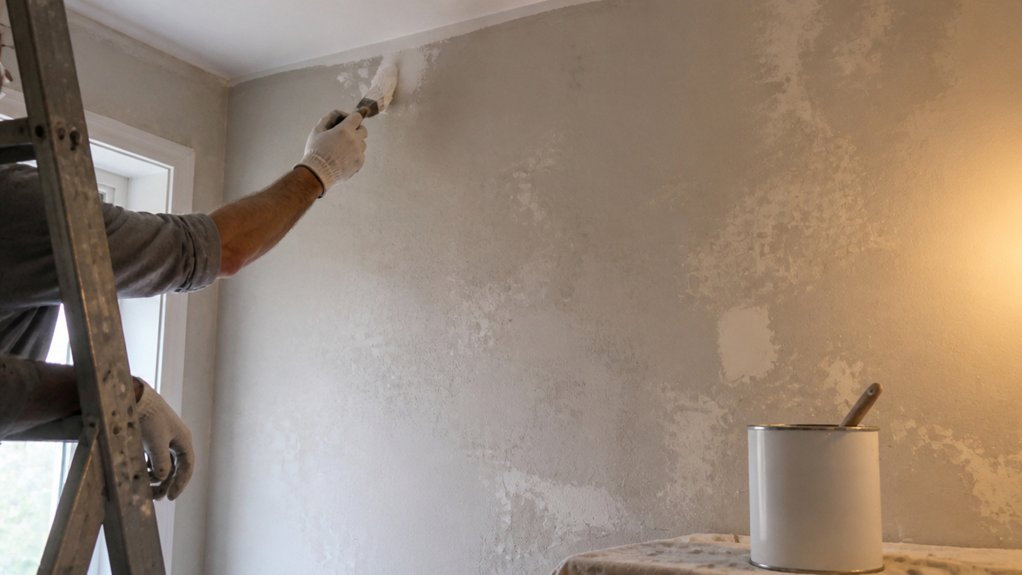
For a bedroom, plain water-based latex paint is your safest choice, and you don’t need anything fancy. Its VOC content, the volatile organic compounds that cause that lingering paint smell, is far lower than oil or solvent-based options.
I’ve used cheap flat latex in my own kid’s room, and it dried fast, cleaned up with soap and water, and didn’t leave me dizzy. Oil-based paints off-gas longer and hit your lungs harder, so skip them for sleeping quarters.
Stick with interior-grade latex, not exterior or specialty blends, and check the label for VOC levels. Zero-VOC versions cost a few bucks more, and they’re worth it for the peace of mind. Most water-based eggshells release the majority of their emissions within the first day, so airing out that initial period makes a big difference.
Avoid “low-odor” oil glazes, because they’re still solvent-heavy and can release fumes for weeks. For the finish, a matte or satin sheen works best for walls, since glossier paints show brush strokes and lap marks more easily.
Prep the room with a drop cloth and painter’s tape before you start, and use a primer if you’re covering a dark color or bare drywall. Keep a wet edge as you roll, and don’t rush the drying time; latex paint is dry to the touch in an hour, but it takes a few days to fully cure.
You don’t need varnish or polyurethane here, just a clean coat of latex. Sand lightly with fine grit between coats if you want a smoother result, but it’s not required for a standard bedroom job.
How Long Should You Wait Before Sleeping in a Freshly Painted Room?
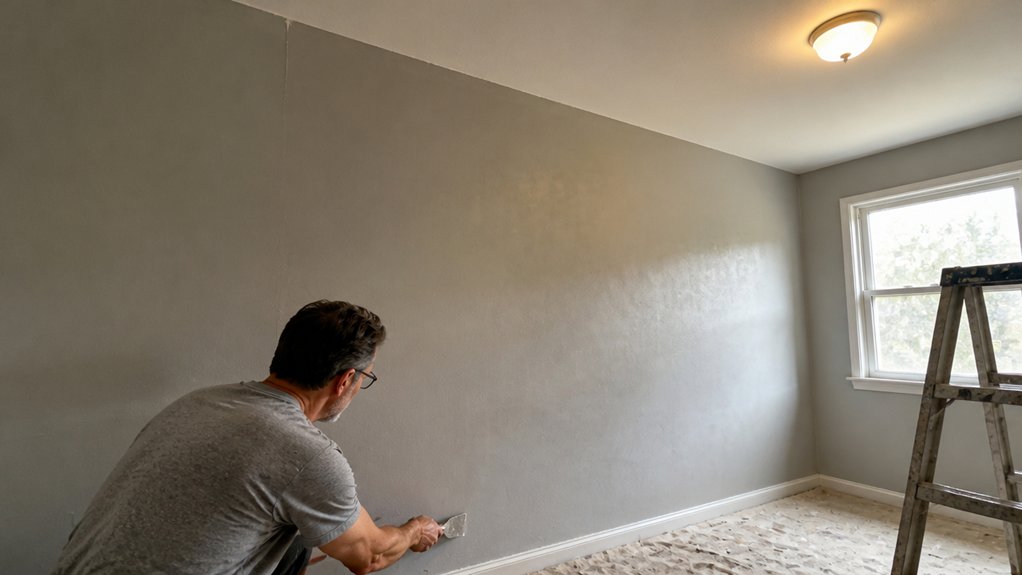
The two-to-three-day wait is the safest rule for sleeping in a freshly painted room. I have painted bedrooms for years, and 48 to 72 hours of drying with the windows cracked is the bare minimum, even for low-VOC paints.
Waking up with a headache from lingering fumes is not worth the risk. Your sleep schedule will thank you for the extra patience.
Check the paint can label first. Water-based latex paint dries faster than oil-based enamel, so you can shorten the wait to about two days for latex.
Oil-based paints need the full three days because they release more VOCs while curing. Low-VOC options off-gas less, which cuts the waiting time closer to the two-day mark. To speed up the job for larger surfaces, consider a gallon-size primer with high-solids coverage to ensure a uniform base before your topcoat.
Keep children and anyone with asthma out of the room for the full three days. Their lungs are more sensitive to the trace chemicals that remain in the air.
Plan your painting project for a Friday morning so you can leave the room open all weekend. Use a drop cloth and painter’s tape to speed up the job, and apply a primer before your topcoat for better coverage.
Choose a satin or matte sheen for bedroom walls, as they hide brush strokes better than gloss. Always maintain a wet edge while rolling to avoid lap marks.
After the paint feels dry to the touch, remember that drying time is not the same as cure time. The paint film hardens over weeks, but the fumes clear out in those first three days.
Give it three nights, then close the windows and sleep soundly. That simple habit keeps your air clean and your mornings headache-free.
How to Ventilate a Freshly Painted Bedroom
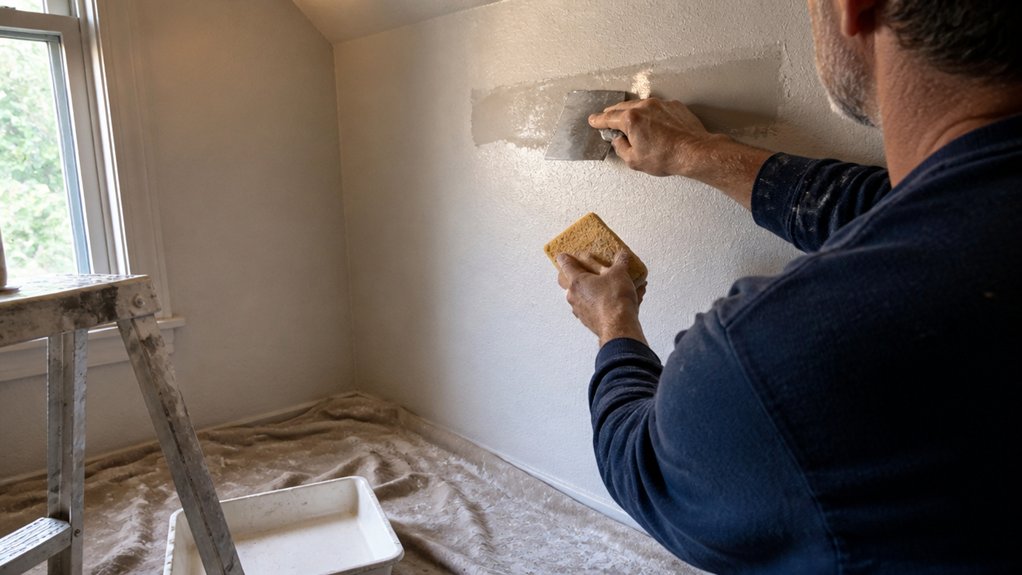
You already know the 48 to 72 hour rule, but airflow is what actually gets you there. Without it, you’re sleeping in a cloud of solvent that leaves you with a throbbing headache by morning.
Open the window wide, then set up a cross breeze with a second one on the opposite wall. That exchange flushes out the VOCs from your primer and topcoat instead of letting them settle into the brush strokes and wet edge.
Point a box fan out the window, near the ceiling, to pull the fumes out rather than just stirring them around the room. An air purifier with activated carbon helps trap chemicals, but it’s no replacement for raw ventilation. For maximum protection, wear a respirator with P3 filters that stop 99.95% of airborne particles if you must re-enter the space during the drying period.
Keep the bedroom door cracked and the hallway vent open so fresh air gets pushed in while the fan does the exhausting. For the first two nights, leave the window ajar to stop the fumes from building up overnight.
Run this setup for at least two full days after the final coat, and stay out of the room during that time. Your nose and your lungs will thank you, and you won’t wake up feeling like you licked a sanding block.
Who Should Wait 72 Hours or More After Painting?
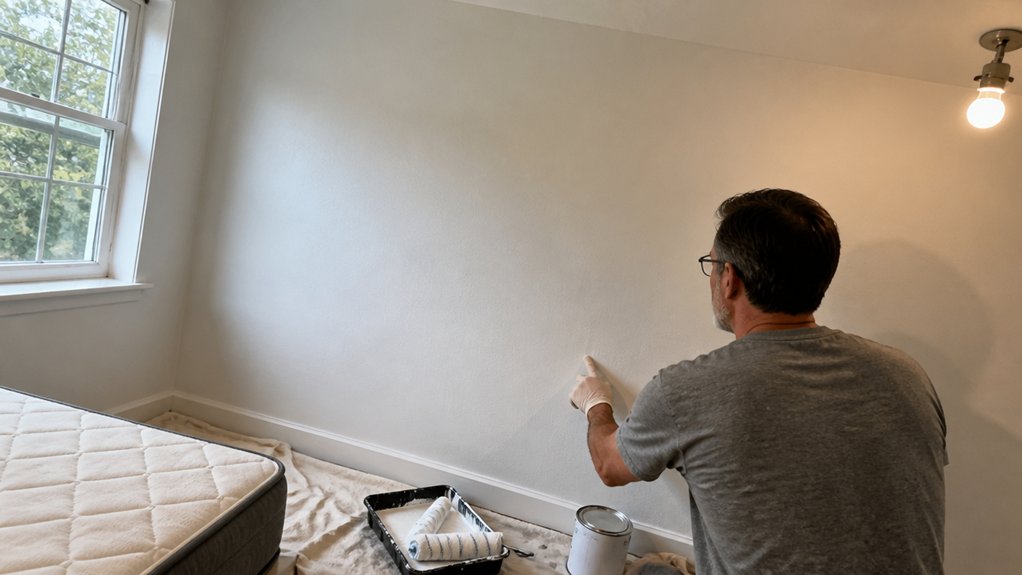
If you or your kids have asthma or any breathing condition, skip the 48-hour shortcuts. Wait the full 72 hours before spending time in a freshly painted room.
Off-gassing peaks right around day two, and sensitive lungs take longer to clear those fumes. Kids breathe twice as fast as adults and crawl near floors where VOCs settle, so their exposure is heavier.
Paint fumes hit developing lungs harder, and even low-VOC paints release formaldehyde for days. Studies tie fresh paint to a 50% higher chance of wheezing in kids, so I don’t gamble on that.
Kids’ lungs are more vulnerable—even low-VOC paint off-gasses formaldehyde for days. Don’t gamble on that wheeze.
I’ve slept in a painted room too soon myself, and woke up with a headache that felt personal. Your kid’s crib can wait; your inhaler can’t.
If you’re pregnant, asthmatic, or have toddlers, pad that wait time to three full days. Before you roll out the drop cloth, lay down painter’s tape and pick a low-sheen matte or satin topcoat, since flat finishes hide brush strokes better. To cut down on fumes, choose a low-odor, water-based primer that dries in 30 minutes and seals the surface without harsh solvents.
Remember that drying time and cure time are different, so even after 72 hours, keep windows cracked and avoid scrubbing the walls for a week. Primer matters too, because it seals the bare wood or drywall and cuts down on how much topcoat the paint soaks in.
Frequently Asked Questions
Can Fans Be Left Running Overnight in a Freshly Painted Room?
Yes, fans can be left running overnight in a freshly painted room, but only if you prioritize airflow over sleep comfort. I typically run box fans all day, then switch to a single oscillating unit on low at night, positioned near a cracked window to exhaust fumes.
If noise is your main concern, use a timer to shut fans off after two to three hours, once the paint has set. For latex paints, that’s usually enough time to clear most VOCs, while oil-based finishes need at least six hours of continuous ventilation.
Place one fan blowing outward and another inward, creating a cross breeze. Check the paint with a dry finger before bed; if it feels tacky, keep the fans running. A cheap smart plug lets you control this from your phone without getting up.
Are Air Purifiers Effective at Removing Paint Fumes?
Yes, air purifiers are effective at removing paint fumes, but only as a supporting tool, not a standalone solution. Their VOC filtration efficiency varies widely by model, and carbon filters often exhaust their adsorption capacity within weeks of heavy use.
You will still need cross ventilation for 2 to 3 days after the final coat before sleeping in that room safely. For a practical rule, open windows and run a box fan for at least 48 hours, then use the purifier on high for another night.
Look for a unit with a thick, refillable activated carbon bed, not a thin mesh, and check the filter’s stated grams of carbon. This related term, off gassing, matters because solvent evaporation continues long after the paint dries, so keep the purifier running for a full week to capture late emissions.
Is It Safe to Sleep Elsewhere in the House During Off-Gassing?
Yes, you are typically safe sleeping elsewhere in the house during off-gassing, but those volatile organic compounds travel easily through open doorways and HVAC returns. Homes painted within the past year can show 100 µg/m³ higher VOC levels than older, settled spaces, so don’t assume a few rooms away is automatically clean.
To create a true safe zone, close the door to the freshly painted area and seal the bottom gap with a rolled towel or draft stopper. Boost ventilation by running a window fan in the painted room, exhausting outward, for at least 48 hours before you relax your guard.
For the sleeping space itself, crack a window slightly and use a portable air purifier with an activated carbon filter, which grabs VOCs better than standard HEPA alone. Check the paint label’s recoat time, since low-VOC products often cure in 4 to 6 hours, but full off-gassing can last weeks.
If you can’t isolate the room, sleep in a separate building or vehicle for the first night, especially with oil-based finishes or stains. That extra effort protects your sleep quality and long-term respiratory health.
Does Opening Windows at Night Help Speed up Paint Curing?
Yes, opening windows at night helps speed up paint curing, but it only addresses one part of the equation. Fresh airflow lowers airborne solvents and surface humidity, which prevents skinning and allows the coating to breathe. However, the chemical crosslinking that hardens paint requires a consistent temperature and time, not just a breeze.
For most latex paints, you still need 48 hours before normal use, while oil-based finishes can take up to a week to fully harden. Keep the room between 65°F and 75°F overnight, even with the window cracked an inch, as cold drafts can slow cure and cause blush.
Use a portable fan aimed at the wall, not directly at it, to improve off-gassing without drying the top too fast. This method is especially useful for waterborne polyurethane, where good ventilation matters, but always test a hidden spot first with a fingernail to check hardness before moving furniture back.
Can Pets Sleep in a Freshly Painted Room Before Humans?
No, pets should not sleep in a freshly painted room before humans, because their smaller bodies and faster metabolisms make them far more vulnerable to paint fumes. Species sensitivity to volatile organic compounds, or VOC off-gassing, can trigger respiratory distress or liver damage in animals even at levels you might tolerate.
To protect your furry companion, wait at least 72 hours after the final coat, and keep windows open with a box fan blowing outward during that full period.
A concrete tip: use low-VOC or zero-VOC paints, like a water-based acrylic, and apply only two thin coats to cut drying time in half.
Check the paint can’s label for a “safe for re-occupancy” time, but add 12 hours as a buffer for pets.
Ventilation is your best tool, so run an air purifier with a carbon filter in the room for the first night.
If you must share space, set up a temporary pet bed in another well-ventilated area until the odor fully dissipates, which you can verify by sniffing at floor level where fumes settle.
Rounding Up
You can sleep in a freshly painted room, but only if you accept a chemical cocktail that smells like a melted dumpster. I learned that the hard way, waking up with a headache that made me question my choices.
Wait 48 hours for standard latex, and stretch that to 72 if you are pregnant, asthmatic, or own a goldfish. Ventilate hard with cross breezes and open windows before you even think about lying down.
Check the paint can label for the exact dry time and write it on a sticky note. Test the air by stepping in and taking a deep breath; if any odor lingers, camp out on the couch instead.
Ask your local paint store about low VOC options for next time, since they cut fumes dramatically. A related topic you may want to read next is choosing the safest paint for nurseries and pets.