What Are Red Oxide Primers? Types, Uses and How to Choose

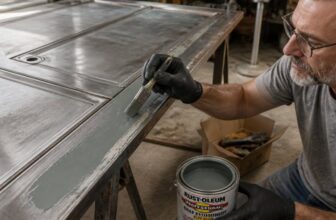
If you are prepping bare iron or steel and want to stop rust before it starts, red oxide primer is often the practical first coat.
This guide to red oxide primers covers types, uses, and how to choose the right one for your project.
You will see where it works, where it does not, and how surface prep, coats, and drying time affect the finish.
It suits mild steel, cast iron, and wrought iron, but galvanized and stainless need a label check.
Read on for a simple way to pick and apply it without wasting primer or cure time.
Quick Answer
- Red oxide primer is a solvent-based undercoat blocking moisture and oxygen on iron and steel.
- It suits ferrous metals like mild, cast, and wrought iron; avoid on galvanized, stainless, or aluminum.
- Surface prep requires cleaning, 80–120 grit sanding, degreasing, and applying two thin, even coats.
- Types include alkyd, epoxy, and zinc dust; epoxy resists chemicals, zinc dust offers strongest rust control.
- Allow full drying and cure time, sand lightly between coats, and verify topcoat compatibility before recoating.
What Exactly Is Red Oxide Primer?
Red oxide primer is a solvent based primer for iron and steel, mostly mild steel. It works as an undercoat that blocks moisture and oxygen from reaching the metal surface.
The primer forms a barrier on clean steel. That barrier keeps water and oxygen from starting the reaction that causes rust.
The red iron oxide pigment usually has low toxicity. Old primers made with lead were a different story, so keep that in mind when you open an old can.
The binder changes from product to product. You will see alkyd, epoxy, and quick dry spray primers under the same red brown label, so check the label and test a small area. Oil-based and alkyd formulations are especially effective at enhancing rust inhibition on metal.
For a cheap first coat on clean steel, red oxide primer is hard to beat. Clean the metal with sandpaper in the 80 to 120 grit range, then wipe off the dust and match the sanding grit to the job before you apply the primer.
Use a drop cloth and painter’s tape to protect nearby surfaces. Work in small sections to keep a wet edge and avoid lap marks and heavy brush strokes.
Follow the label for drying time versus cure time before you apply a topcoat. Check the VOC level if you work indoors or in a closed shop.
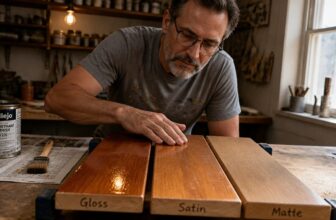
Choose your topcoat sheen after the primer cures. Gloss, satin, and matte topcoats all work over a properly cured primer.
If you finish wood in the same shop, keep your stain, varnish, and polyurethane away from the metal prep area. A dirty or oily surface will cause problems, so do not expect this primer to fix poor prep.
What Metals Can Red Oxide Primer Go On?
Red oxide primer works best on ferrous metals that contain iron, such as mild steel, cast iron, and wrought iron. It bonds well there and gives you a solid base for a topcoat.
Most people think it will stick to any metal, but that often leads to peeling paint and wasted time. Galvanized steel has a slick surface and oil that can keep the primer from gripping.
Use a product that clearly lists galvanized steel on the label, or the coating may flake off. Stainless steel is smooth and passive, so use standard red oxide primer only if the label lists stainless steel.
Aluminum, copper, and brass need a specialized etch primer. Clean off oil, scuff the metal with the grit your primer maker recommends, and apply thin coats with steady brush strokes.
Keep a wet edge to avoid lap marks, and follow the label for drying time and cure time before you add a gloss or satin topcoat. If the can does not list your metal, ask the manufacturer before you start.
Stick with steel that rusts easily for standard red oxide primer, and use a drop cloth to catch drips. Check the label, prep the metal, and test a small area if you are unsure. For bare aluminum and galvanized steel, look for a phosphoric-acid blend that etches the surface for better adhesion.
How to Clean and Abrade Metal Before Priming
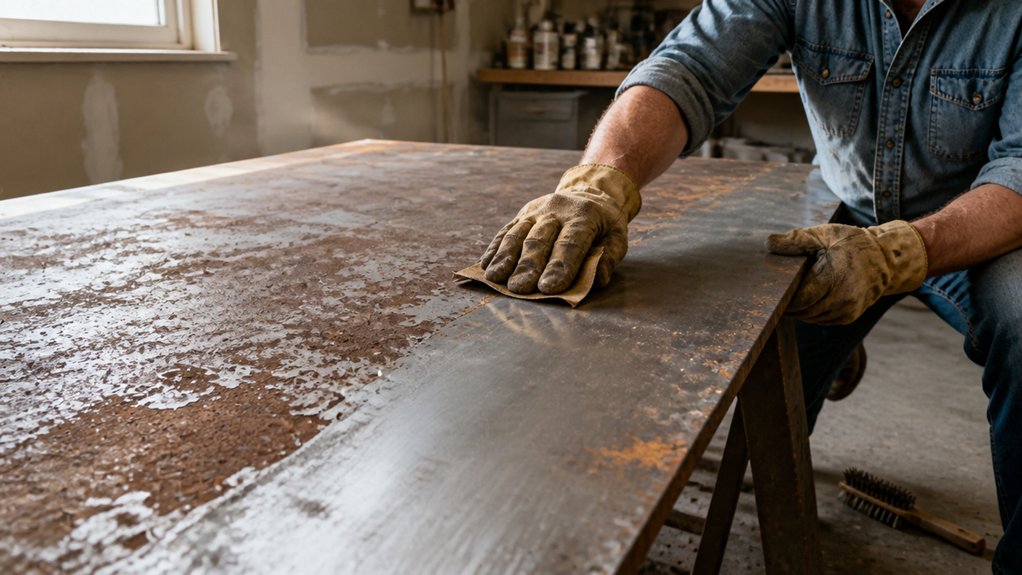
Before you open the red oxide primer, prep the rusted steel gate so the coating can bond. Gather a stiff wire brush, sandpaper in 80 grit, and a scraper for flaky paint and rust.
Remove loose rust and old paint with the brush and scraper. Wipe the metal with a degreaser, then let it dry fully before you apply primer.
Red oxide primer can handle tight, thin rust, but flaky rust and orange dust will weaken the coat. Work the surface until bare metal shows through, then brush or blow off the dust. For stubborn areas, a stainless steel wire brush resists corrosion and prevents carbon steel residue from contaminating the metal.
Apply the primer in thin, even coats and keep a wet edge to reduce lap marks and heavy brush strokes. Check the label for VOC content, drying time, and cure time before you add a topcoat.
How to Apply, Recoat, and Topcoat Red Oxide Primer
Most of the holding power in red oxide primer comes from the layers, so keep the brushwork simple and focus on thin coats. One thick coat can peel, so stir the primer well and apply two thin, even coats with a brush, roller, or spray gun, keeping the wet edge going to avoid lap marks.
Respect the drying time and cure time on the label, because touch dry does not mean ready for a recoat. Rushing the recoat can create a weak bond, especially when you add a topcoat later.
Check the recoat window on the product data sheet or can and follow that timing. Sand lightly between coats with a fine sanding grit, such as 220 or 320, to give the next coat a mechanical grip.
Use a rust converter only on leftover rust traces, and remember that it does not replace primer. Topcoat within the manufacturer’s recoat limit; if you miss that window, scuff the primer before you apply the topcoat.
Check the label for compatibility between enamel and acrylic topcoats and the primer you used. Keep your brush strokes smooth, use painter’s tape and a drop cloth to protect nearby surfaces, and let each layer dry fully before you judge the sheen. For heavy corrosion, ensure the surface is free of moisture and maintain a temperature between 50–90°F with humidity under 85% during application to achieve proper adhesion and optimal curing results.
Red Oxide vs. Epoxy or Zinc: Which Primer Wins?

Red oxide, epoxy, and zinc dust primer each have a place on a rusty gate, and the job decides which one to grab. Red oxide suits light rust and tight budgets, but salt air and chemical fumes will eat through it faster than you expect.
Epoxy holds up to chemical exposure and wet spots, and it needs a clean, sanded surface to bite. Scuff metal to 80 or 120 grit, wipe off dust, and keep a drop cloth and painter’s tape nearby to protect the gate and floor.
Zinc dust primer gives the strongest rust control on bare steel because it corrodes first and protects the metal underneath. It costs more, and indoors it is usually more than you need.
For a rusty gate in salt or weather, I would use zinc dust primer and follow with an epoxy topcoat. Use a gloss or satin sheen for easier cleaning, and keep a wet edge to avoid lap marks and visible brush strokes.
Epoxy primer with a zinc dust first coat adds protection, but the cost climbs and the surface prep still has to be right. If money is tight, red oxide can buy you a year or two, then plan to sand and recoat before rust returns.
Check the label for VOC and ventilation, and respect drying time and cure time before you use the gate. On wood parts, sand to 120 grit, stain if you want color, then seal with varnish or polyurethane, and choose matte for a softer look.
For metal that sees harsh marine conditions, a two-part epoxy formulation provides superior adhesion and blister prevention on fiberglass and underwater metals.
Frequently Asked Questions
Can Red Oxide Primer Be Used on Galvanized Steel?
Red oxide primer can sometimes be used on galvanized steel, but only when the coating manufacturer explicitly approves that substrate. Do not assume it will bond, because red oxide primer often fails on galvanized steel due to poor adhesion.
If the label does not list galvanized steel, use an etching primer designed for that surface instead. As a practical test, coat a small panel and wait 24 hours before applying a full coat.
Always check the product data sheet first and follow its surface prep and recoat times. If you need a related search term, look for a direct-to-metal primer rated for galvanized substrates.
Does Red Oxide Primer Work as a Rust Converter?
No, red oxide primer does not work as a rust converter. It is a protective barrier primer, not a chemical rust converter, so it will not neutralize existing rust.
Surprisingly, over 80% of coating failures come from poor surface prep, and skipping rust removal is a common cause. For a practical start, sand rusted steel with 80 grit until you reach bare metal, then wipe the dust off before priming.
Apply red oxide primer in two thin coats, and let each coat dry per the label before recoating. If you need a product that changes rust chemically, look for a rust converter or rust encapsulator instead.
Can I Apply Red Oxide Primer With a Spray Can?
Yes, you can apply red oxide primer with a spray can, and aerosol red oxide primer works well for small jobs. Watch spray can coverage and aerosol drying time, since these coats are thinner than brushed primer.
I still prep the surface thoroughly with a 220 grit sanding and a clean rag for proper adhesion. Apply two light coats instead of one wet coat, and let each coat flash for about 10 to 15 minutes before the next.
This rattle can primer gives good control on trim and small parts, but keep the can moving to avoid runs.
How Long Can Red Oxide Primer Stay Exposed Before Topcoating?
Red oxide primer should not stay exposed longer than a few days before topcoating, especially on outdoor metal. Treat the primer recoat window as short because moisture, UV, and weather can start rust creep under a thin coat.
In dry, sheltered conditions, aim to topcoat within 24 to 48 hours after the primer feels hard. If it has sat longer, scuff with 220-grit sandpaper, wipe off the dust, and apply your topcoat promptly.
Do not rely on a quick solvent wipe to restore adhesion once the primer has chalking or surface rust. A thin, even topcoat over clean, dull primer protects the film and gives you the best chance at long term performance.
Is Red Oxide Primer Safe to Use on Aluminium Surfaces?
No, red oxide primer is not safe to use on aluminium surfaces. It is formulated for ferrous metal and does not grip bare aluminium well, so peeling and poor adhesion are likely.
For a reliable repair, sand the surface with 80-grit paper, remove dust, and apply a dedicated aluminium etch primer before any topcoat. Two thin coats of that etch primer are better than one heavy coat, and let it flash off per the label before overcoating.
If you need a search term, look for aluminum etching primer rather than red oxide. That prep step is the difference between a lasting finish and a paint failure.
Rounding Up
Red oxide primers are cheap, reliable rust-control coatings for bare indoor steel, gates, and farm equipment. Check your job for underwater or chemical exposure, then skip red oxide primer there because that is epoxy turf.
Write down your prep steps: sand to bare metal and wipe with acetone. Compare the cost; the text quotes around $25 a gallon for red oxide primer.
It brushes on smooth and is recoatable in four hours. Red oxide primer is for everyday corrosion control, not miracles; it is the ugly, sticky duct tape of primers.
Epoxy primers.