What Are Roofing Paints? Types, Uses and How to Choose
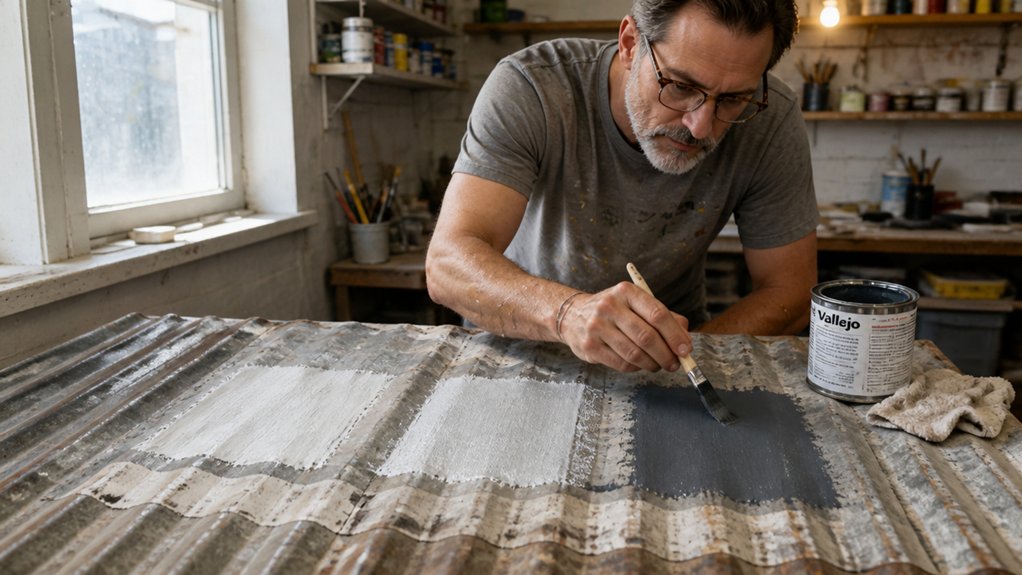
Choosing roof paint can feel like guesswork when every product promises waterproofing and curb appeal. What are roofing paints, and which types, uses, and choosing factors actually matter for your roof?
The answer starts with surface prep, primer, and the right coating thickness for metal, asphalt, concrete, or wood. Glazed terra cotta is one surface to skip, since paint can peel there.
For longevity, compare resin options like PVDF, pick a matte or satin sheen, and note that white reflects about 80% of sunlight. Keep reading for the practical details that help you choose.
Quick Answer
- Roof paint is a thin coating for color and sheen, not heavy waterproofing.
- Roof coating is a thicker, flexible film for superior water and movement protection.
- Material dictates paint type: metal, asphalt, concrete, and wood are paintable.
- Terra cotta roofing cannot be painted; its glazed surface rejects all coatings.
- Proper prep—cleaning, priming, and sanding—determines paint adhesion and longevity.
Is Roof Paint Just Thinner Roof Coating?
Roof paint is a thinner roof coating, so it behaves differently on the roof. It gives you color and sheen, and a gloss, satin, or matte finish can freshen the surface.
A roof coating lays down a thicker, flexible film that handles water and movement better. If you want waterproofing, choose a coating rated for your roof material and check the VOC limits for your area.
Most problems come from picking a paint for looks alone and skipping the prep. Clean the roof, sand rough spots with the right sanding grit, and tape off edges with painter’s tape and a drop cloth.
Use the primer the maker specifies, then apply the topcoat in steady passes so you keep a wet edge and avoid lap marks and heavy brush strokes. Respect both drying time and cure time, because a film that feels dry can still be soft.
On a metal roof, I would use paint as a cosmetic refresh only when the old finish is sound and a good primer goes under it. Otherwise, the paint may chalk, crack, or peel while the coating would have kept the water out. For a longer-lasting barrier, look for elastomeric formulas that stretch 650-900% to handle metal expansion and thermal movement.
Can You Paint Metal, Shingles, Tile, and Wood Roofs?
You can paint metal roofs, asphalt shingle roofs, concrete tile roofs, and wood roofs, but terra cotta is the exception. That glazed surface will not hold a primer or topcoat, so leave it alone.
Metal roofs take paint well if you clean off chalk and grease, then apply a metal primer. Use a satin or matte sheen for the topcoat, because high gloss shows lap marks and brush strokes.
Asphalt shingles and concrete tiles can take paint when they are clean, dry, and sound. Wash them, let them dry fully, then use a primer made for the surface and a topcoat rated for exterior roofs.
Wood roofs need the most care, and a stained roof usually should stay stained. If the wood is bare, pick the sanding grit for the wood condition and start with 60 to 80 grit paper.
Spot prime bare knots, then choose a stain or roof paint made for wood. Do not use varnish or polyurethane as a roof coating, because sun and water will crack them.
Work in small sections to keep a wet edge, and follow the label for drying time and cure time. Use a drop cloth and painter’s tape to protect gutters, walls, and windows.
Read the coating label before you open the can, and check local VOC limits before you buy. Keep the roof closed to foot traffic until the coating cures. Water-based acrylics are recommended for this application due to low-VOC content and lack of heavy solvents, making them safer for surrounding pets and plants.
Metal Roof Painting
Metal roof paint works well when you prepare the surface and choose a coating that suits the job. Factory baked finishes are tough and usually outlast an aftermarket paint job.
If you repaint, polyester resin costs the least and may fade in five to seven years. Silicone modified polyesters (SMPs) last longer, and PVDF (Kynar 500) resists chalking for about twenty years.
Before you pick a color, clean the roof, remove rust, and apply a titanium dioxide primer. Scuff bare spots with 80 grit sandpaper, then wipe the dust so the primer can bond.
Lay a drop cloth and use painter’s tape to protect edges, vents, and anything you do not want painted. Check the VOC level if fumes matter, and follow the drying time before recoating and the cure time before you judge the finish. Water-based acrylic formulations reduce odor and toxicity while still delivering durable adhesion to metal surfaces.
For the topcoat, I would use acrylic latex or an oil based alkyd paint, then seal seams with silicone. Work in small sections to keep a wet edge and avoid lap marks and heavy brush strokes.
Pick a sheen you can live with: gloss shows flaws, while satin and matte hide more. Color matching to existing panels is doable, but expect some difference because sun fade is real.
Metal roof paint is a different product from stain, varnish, or polyurethane, so use a coating made for metal. Prep hard, pay for PVDF when you can, and you can get more than a decade of good looks.
Shingle and Tile Care
Metal roofs get most of the paint talk.
Shingles, tile, and wood roofs need their own plan.
For asphalt shingles, use a 100 percent acrylic latex coating and apply it with a sprayer.
Apply a primer first or the topcoat will flake by spring.
Spray on a dry day when the temperature stays between 60 and 70°F.
Keep a wet edge and plan your passes to avoid lap marks.
Concrete roof tiles can take paint when they are porous and unglazed.
Apply two topcoats and finish with a sealant so the paint lasts.
Terra cotta has a glaze that will not hold paint.
Repair damaged terra cotta and leave it unpainted.
Clean every roof first and test adhesion on a small area before you commit.
Use drop cloths and painter’s tape to protect siding, trim, and vents from overspray.
Choose a matte or satin sheen for roof coatings because gloss shows surface flaws.
Low VOC products reduce odor, and follow the label for drying time and cure time.
For wood roofs, use a stain, varnish, or polyurethane finish made for exterior wood.
Sand rough spots with 80 to 120 grit paper before you coat.
Work in small sections so brush strokes and spray patterns blend before the coating sets.
Keep the sprayer moving to avoid heavy spots and runs.
Pigment stains block UV for 2–3 years, while clear oils need yearly reapplication, so match the finish to your roof’s sun exposure and maintenance schedule.
Wood Roof Painting
Painting a wood roof is hard because the wood keeps moving and taking on moisture. I have seen paint peel within two seasons when the prep was rushed.
You can paint raw wood if it has never been stained. If the wood has an old stain, remove it first with sanding, stripping, and chemical washing.
That stain removal work is slow and messy, so decide before you start whether you want to take it on. After the stain is gone, let the wood dry fully and sand it with a sanding grit of eighty, then finish with one hundred twenty.
Set up a drop cloth and use painter’s tape to protect edges, trim, and nearby surfaces. Apply a quality acrylic primer and let it reach the full drying time before you add a topcoat, but remember that coverage capacity varies widely, so check the label and buy generously for rough, porous wood. Use two coats of one hundred percent acrylic latex, and keep a wet edge to avoid lap marks. Choose a sheen that fits the roof; gloss shows brush strokes, while satin or matte hides them better.
Check the label for VOC content and pick a low VOC product if fumes or local rules are a concern. Drying time and cure time are different, so wait for the coating to cure before you judge the job.
Plan to clean the roof gently and repaint every three to five years. Varnish and polyurethane are clear finishes, and they do not replace a primer and topcoat on a wood roof.
If you have raw wood and can do the prep, paint it with a proper primer and topcoat. If the wood is stained or the prep work is more than you want to take on, save your money.
Why Terra Cotta Is the One Roof You Can’t Paint
Stop before you buy paint for that terra cotta roof. Its glazed surface is baked smooth as glass, so a topcoat cannot grip it.
Paint will peel, bubble, and flake within a season, and you will waste a weekend and a drop cloth. Even if you scuff the tile with 80 grit sandpaper and apply a bonding primer, the gloss will remain and the coating will lift.
You can chase a wet edge and watch the drying time, but brush strokes and lap marks will not fix a surface that cannot hold paint. A satin, matte, or high gloss sheen makes no difference when the glaze rejects the paint film, and a low VOC product will not change that.
Cure time will not save a topcoat that has no bond. Stain, varnish, and polyurethane are for wood, so keep them off the roof.
Use painter’s tape and a drop cloth to protect nearby surfaces while you replace a cracked tile. For loose pieces, replace the tile or call a roofer.
Surface prep work is essential because porous terra cotta beneath the glaze would otherwise absorb 10–25% more product, but that hidden porosity cannot overcome the glaze’s rejection of any coating.
Glazed Surface Reality
Glazed terra cotta roofs laugh at paint because the glossy finish is baked on at the factory. You can scuff a hidden test spot with 80 grit sandpaper, wipe off the dust, and apply a bonding primer, but the topcoat still has only a thin film to grip. Two thin coats are recommended to ensure complete coverage and protection, yet even that won’t overcome the glaze’s sealed surface. That baked glaze acts like a seal and leaves almost zero porosity for paint. Paint needs a rough surface to bite into, and this slick finish gives it nothing to hold.
Stain, varnish, and polyurethane belong on porous wood, and they have no place on a glazed roof tile. A primer with low VOC content may reduce odor, but the topcoat will still show the same poor grip in a gloss, satin, or matte sheen.
On a steep roof, brush strokes and lap marks show fast, and the wet edge dries before you can blend it. Drying time may look fine, but cure time is longer, so a topcoat can seem hard while it is still soft underneath.
Save your three hundred bucks, since acrylic paint will peel by spring on this surface. Use a drop cloth and painter’s tape to protect the area, then spend your time repairing cracked tiles or replacing the whole batch.
I have tried the shortcut, and it ended with a rainbow mess and a sore neck. Leave the glaze alone, or you will repaint every year while you admire your mistake.
Paint Adhesion Failure
Paint fails on glazed terra cotta for three reasons: the glaze seals the surface, the clay moves with heat and cold, and water gets trapped. A glaze is a glassy finish that sheds water and gives paint nothing to grab.
You still need to clean the clay and sand with 80 grit paper. Even that will not open enough tooth for a durable primer bond.
Terra cotta expands and contracts at a different rate than the paint film. A topcoat can develop small cracks within weeks.
Water moves through those cracks, freezes, and lifts the coating. Trapped dampness pushes peeling along.
Primer bonding fails even with a primer made for the job. No sheen, whether gloss, satin, or matte, will fix this because the failure starts where the film meets the clay.
You can keep a wet edge and watch drying time and cure time. The film still cannot move with the clay. Wet or humid air over 70% humidity adds 30% to your wait times, but that extra patience still won’t save the bond.
If you test a patch, use a drop cloth and painter’s tape. Expect lap marks and brush strokes to be the least of your troubles.
A paint labeled low VOC may be safer indoors. VOC level has no effect on adhesion here.
I once watched $500 of paint and prep vanish in one winter. That money would have been better spent on repair or replacement.
Repair or replace the terra cotta and skip the paint. Spend your money on the repair and keep the surface dry.
Repair Over Repaint
Most terra cotta roofs do better without paint. The tile often has a glazed finish with a hard gloss, so paint has little to grip.
You can sand the surface with 80 grit paper, but that only dulls the sheen and leaves a slick tile underneath. A primer may stick at first, yet the topcoat still fails as the film cures and pulls away.
A low VOC paint might look fine while it is wet, and a careful painter can keep a wet edge and avoid lap marks. Once water gets behind the film, the paint lifts in sheets.
That peeling means you repaint every few years, and you also patch the failures between coats. The cost adds up with primer, topcoat, sanding, and labor each time. If you do need to scrape off failed paint before repairing, a tool with a rubber grip reduces slipping and hand fatigue.
Repairing cracked terra cotta tiles is a fix you do once. Replace the broken tiles, and the roof can stay beautiful for decades.
Skip the paint can and plan the tile repair instead. Your roof and your wallet will do better with that choice.
Which Resin Handles UV Best for Your Roof?
For the best UV resistance in roof paint, use a PVDF fluoropolymer resin. I have seen plain polyester fade and chalk within five years, while PVDF holds color through decades of sun.
That difference matters on a roof because repainting is slow work and you want the first topcoat to last. PVDF carries warranties for 20 years against fading, but it costs 2 to 3 times more than the cheaper resins.
PVDF’s 20-year fade warranty costs 2–3 times more, but saves you from repainting a roof.
Polyesters modified with silicone sit in the middle range and can hold up for 10 to 15 years in direct sun. Plain polyester is cheap, but UV makes it brittle and dull fast, so use it only when the budget leaves no other option.
Acrylic latex works for spot repairs and small touchups, though it will not keep a strong gloss for many years. If you use it, apply a good primer first and keep the sheen consistent with the rest of the roof. For serious sun exposure, check that the product includes UV inhibitors and blockers like benzotriazole to prevent early degradation.
Read the label for VOC content and follow the drying time and cure time before you judge the finish. Use painter’s tape and a drop cloth to protect edges, and keep a wet edge to avoid lap marks and brush strokes.
For a roof that will face strong sun, pay for PVDF and plan to repaint once. Your roof will hold color longer, and your wallet will feel the savings on labor later.
How Long Does Roof Paint Last on Each Material?
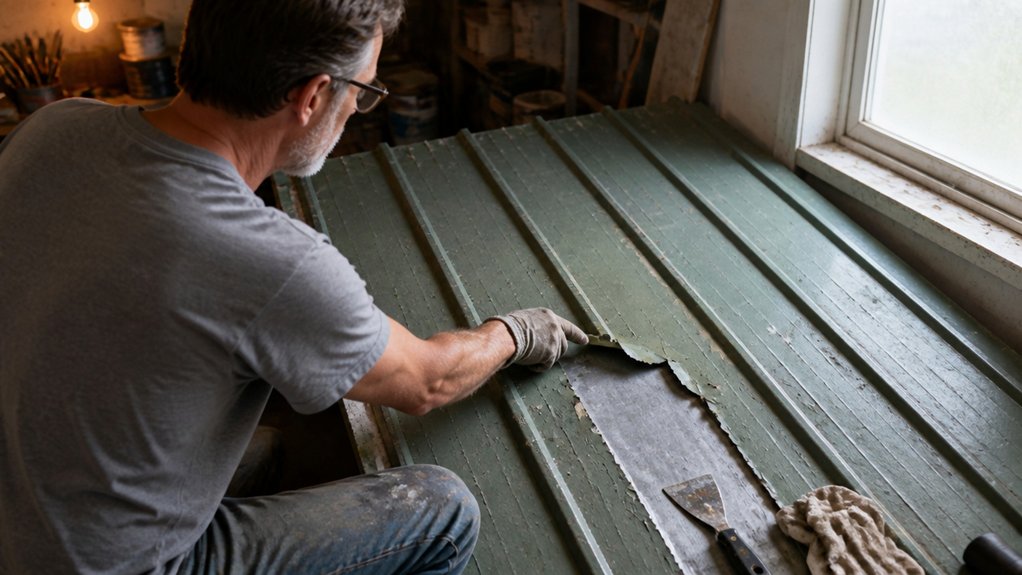
The resin choice sets the maximum durability, and the surface material sets the starting point. Match the topcoat system to the material before you buy paint.
On metal, a tough PVDF finish can last 20 years or more, while polyester fades in 5 to 7 years, especially in harsh climate zones. Check the sheen and color hold after several summers of sun and rain.
Asphalt shingles often last about 7 years at most. Weather impact hits them hard, and you can see that in warranty claims.
Concrete tile holds paint for 10 to 15 years, but its porosity pulls in coating and makes prep work cost more. Use a filler primer and a topcoat with a matte or satin sheen suited to tile.
Wood may hold paint about 5 years if you are lucky, and a good primer is essential. Sand with the proper sanding grit, spot prime bare spots, and keep a wet edge to avoid lap marks and brush strokes.
Let drying time and cure time guide your schedule, and keep a drop cloth and painter’s tape ready to protect nearby surfaces. Low VOC products still need good airflow, and a stain on wood needs a varnish or polyurethane topcoat for wear.
A cheap paint on good metal can fail sooner than a good paint on a poor surface. Test a small area before you coat the whole roof, then follow the maker’s surface prep steps and recoat window.
Does Roof Paint Actually Cut Cooling Bills?
A reflective roof paint can lower cooling bills, but the savings stay modest. On my own attic, a white topcoat dropped peak temperatures about 8°F and cut summer AC costs around 12%.
White paint reflects up to about 80% of sunlight; dark paint reflects roughly 10%. Pick a coating with high reflectivity and good emissivity so stored heat can leave the roof faster.
Climate changes the result. Hot sunny areas see the largest savings, while cool cloudy areas may save only pennies.
Treat roof paint as a coating that slows heat gain. Keep your attic insulation and air sealing in good shape, because the coating cannot do that job.
Prep work matters as much as the coating. Clean the roof, set a drop cloth, and tape off edges with painter’s tape before you open the can.
For a roof coating, use a primer if the manufacturer calls for it, then apply the topcoat at the spread rate on the label. Keep a wet edge while you roll so lap marks stay soft, and use steady brush strokes at seams and edges.
Choose a matte or satin sheen on most roof surfaces; high gloss can show surface flaws. Check VOC limits and drying time versus cure time before you schedule the work.
On a metal roof, sand rust spots with 80 grit before you spot prime them. The same prep habits you use for deck stain, varnish, and polyurethane apply here: clean the surface and remove dust.
A white roof paint pays back over a few summers. Expect a useful reduction in cooling cost.
3 Checks Before Buying Roof Paint or Hiring a Pro
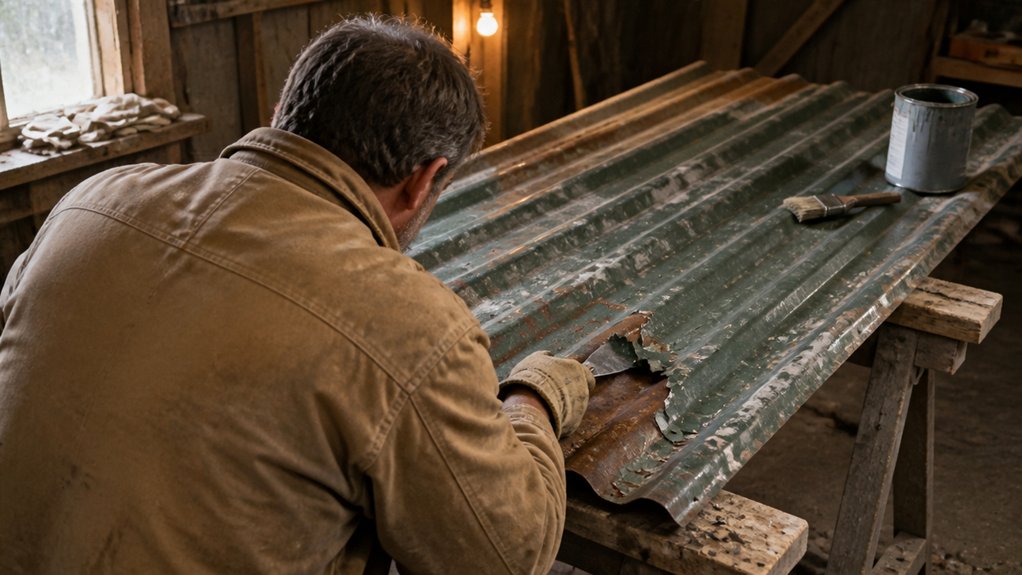
Before you buy roof paint or hire a crew, run three checks. They keep small problems from turning into expensive rework.
Check the resin type first, because it controls fade resistance and how long the coating holds color. PVDF resists fading better than polyester, but it costs two to three times more, so match the resin to the roof’s age and sun exposure.
Next, inspect the current roof surface for peeling, chalk, rust, and loose seams. Peeling paint or chalky residue means you need primer and prep work before any topcoat.
Ask what the warranty covers in writing, especially chalking, the chalky powder that can form on a faded coating. Many warranties that run five years leave out chalking, so get the details before you pay.
For options with low VOC content, look at acrylic roof coatings; they are safer around plants and people, though they often need a second coat. Use a drop cloth and painter’s tape to mask windows, vents, and trim before you start.
Wear a harness and set ladder anchors before you climb. Falls cause serious injuries, so treat fall protection as required gear.
Apply the coating in small sections, keep a wet edge, and use smooth brush strokes to prevent lap marks. Choose a satin or matte sheen for most roof coatings, since gloss shows surface flaws.
Sand rust spots with 80 grit before you apply primer, and wipe the surface clean. Pay attention to drying time and cure time, because a roof coating that feels dry can still lift under foot traffic.
If you are finishing wood trim near the roof, use stain, varnish, or polyurethane as the material calls for. Tape off those areas so roof coating stays off the wood.
Match the resin to your roof’s age, confirm prep needs, and budget for proper gear. Fix weak spots before you paint, because a roof coating will show every shortcut.
How to Match Resin to Roof Type: A 5-Step Guide
Match the resin to the roof material and to how much sun the roof gets. Use these steps to choose a coating that will hold up and stay within budget.
For metal, use acrylic latex or an oil based alkyd coating, then seal it with silicone or butyl. For asphalt shingles, use 100 percent acrylic latex and spray it on to avoid lap marks and brush strokes.
For metal roofs, choose acrylic latex or oil-based alkyd, then seal with silicone or butyl.
For concrete tiles, use an acrylic coating made for concrete, then add a sealant to close the pores. For wood, coat only bare or unstained wood and apply a primer first.
Check the label for silicone content, since a higher amount usually means more durability. Check chalk resistance too, because a chalky powder means the topcoat is breaking down.
Use a low VOC product when fumes or tight work areas are a concern. Keep a wet edge while you roll metal so lap marks do not show.
Choose a matte, satin, or gloss sheen based on the look you want and the roof material. Let the primer reach the listed drying time, then wait for full cure time before you judge the final sheen.
Use a drop cloth and painter’s tape to protect nearby surfaces. For most roofs, an SMP resin gives 10 to 20 years of service without a high price.
If you finish wood trim, follow the label for stain, varnish, or polyurethane. Use the sanding grit listed for the primer, and remove dust before you apply the topcoat.
Frequently Asked Questions
Can I Paint a Roof Myself or Hire a Pro?
You can paint a roof yourself or hire a pro, but I recommend hiring a pro for most roof coatings and exterior paints. DIY savings vanish fast if your prep or product choice is off, and many roof coating warranties require a qualified applicator and documented surface prep.
If you still want to try it, pressure wash and let the roof dry for at least 24 hours, then spot-prime bare metal with a rust-inhibiting primer. Use a roof coating rated for your substrate and apply it in two thin coats rather than one heavy coat.
Check your warranty terms before buying materials, and hire a pro if the roof has steep pitch, leaks, or old layers.
Will Roof Paint Stop Leaks or Fix Water Damage?
Roof paint will not stop leaks or fix water damage; it is a cosmetic coating that protects sound surfaces, not a repair for holes. To actually stop a leak, first find the source, cut out blisters, and sand feathered edges with 80 grit.
Seal seams and flashings with polyurethane roof caulk, then let it cure for 24 hours before recoating. Treat roof paint as water damage prevention for intact roofs, not as a cure for rot or failed decking.
For small cracks, clean the area, apply a roof coating or patching compound, and check it after the next rain. If you see soft sheathing or stained ceilings, repair the structure before painting.
Does Roof Paint Color Affect Home Resale Value?
Roof paint color does affect home resale value, especially through curb appeal and buyer first impressions. For a practical refresh, clean the roof, then apply a quality roof coating in a light neutral tone with two coats, allowing four hours between coats at 70°F.
Skip bold or badly faded colors that distract from the home, and test a sample panel in daylight before committing. If you hire out, ask for a product with UV resistance and a finish that suits your climate, then confirm the exterior paint color coordinates with trim and siding.
Can I Paint Over Old, Peeling Roof Paint?
You can paint over old, peeling roof paint, but only after you remove the loose material and establish a sound surface. Scrape every flake back to bare or tightly bonded coating, then sand edges with 80 grit to feather them smooth.
Clean the roof with a suitable cleaner and rinse thoroughly, then let it dry completely before priming. Spot prime bare areas with a compatible roof primer and allow the manufacturer’s recoat time, often 4 to 6 hours, before topcoating.
Apply two finish coats at the recommended spread rate, and watch for adhesion problems such as blistering or lifting. Skip prep and you waste money on a roof coating that fails fast.
Is Spray or Roller Application Better for Metal Roofs?
For metal roofs, spray application is generally better for fast coverage, while roller application gives more control. Use an airless sprayer with a 515 tip for broad panels, then back-roll the coating immediately to avoid overspray lines and improve adhesion.
If you roll only, choose a solvent-resistant roller with a 3/8 inch nap and apply two coats at the manufacturer’s wet mil thickness. Spray overspray can drift onto gutters and trim, so mask those areas or use a shield.
For the best finish, combine spray speed with roller control using the roll-and-spray method. Let the first coat dry four hours before recoating, and check the metal roof coating label for exact timing.
Rounding Up
Roofing paints are not a magic fix, but they are a solid, cheap upgrade if you pick the right resin. Today, check the roof for rust or moss first.
Write down the roof material, then compare resin choices: silicone for UV, elastomeric for shingles, and no acrylic on metal. Ask if the roof needs to breathe, and skip terra cotta entirely.
The text says roof paint may cut cooling bills by maybe 15%. Spend the extra hour on prep so you avoid regret.
A related topic is metal roof coatings.